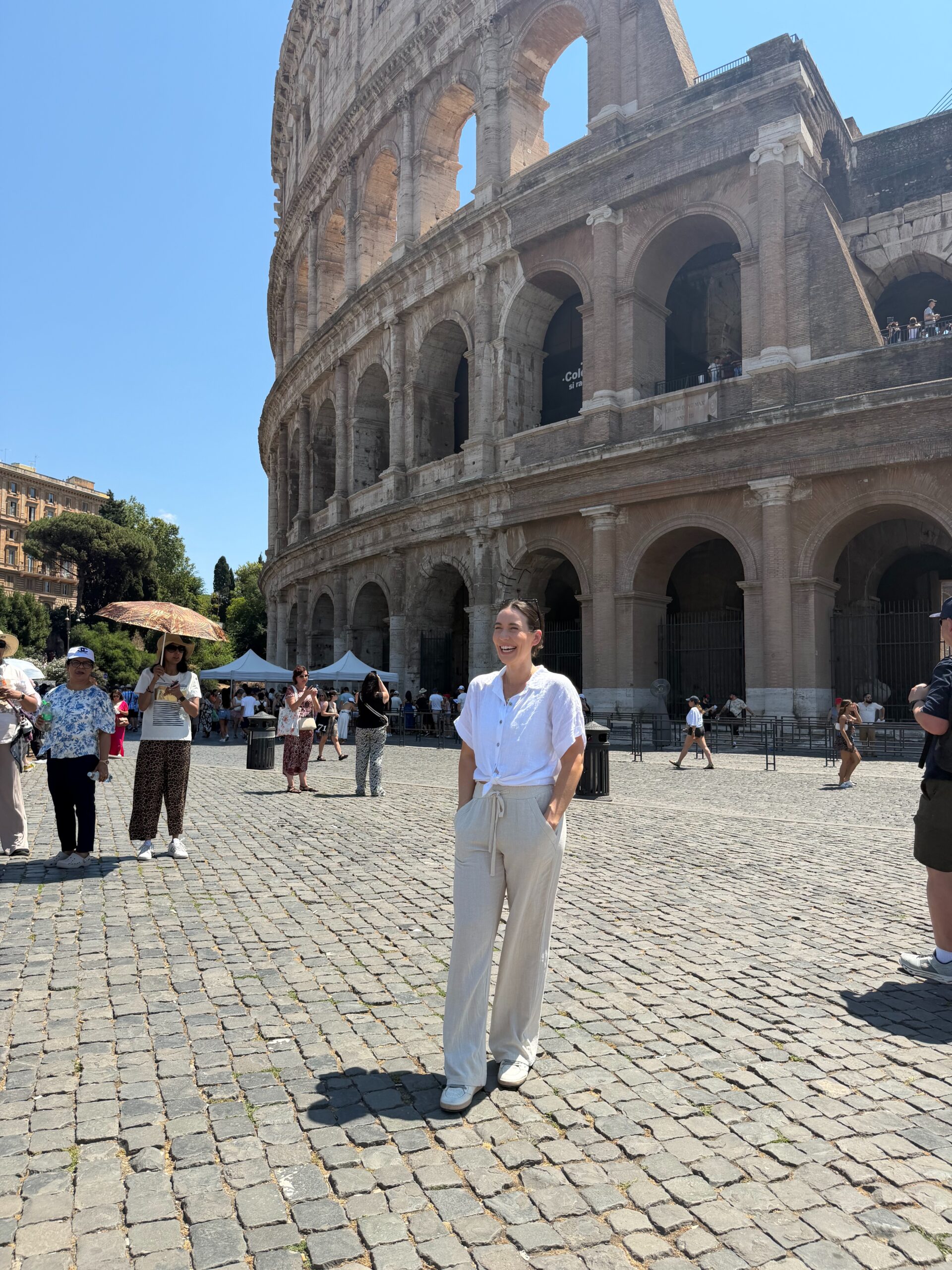
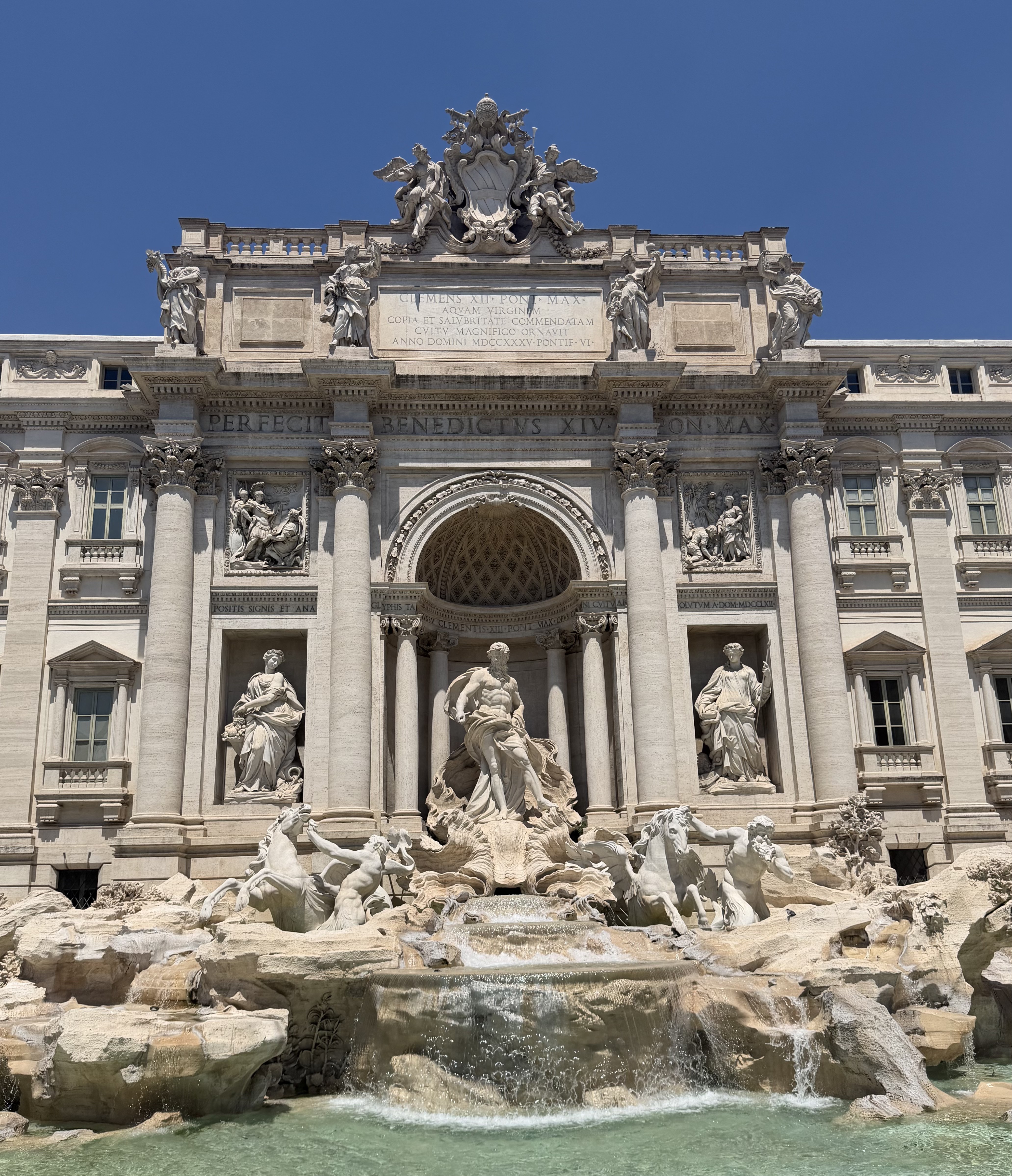
You don’t need an entire week to fall in love with Rome.
Whether you have a long layover, arrive early before checking into your hotel, or simply have one free afternoon, you can still experience some of the city’s most iconic landmarks.
During my afternoon in Rome, I visited the Colosseum, Trevi Fountain, and the Vatican Museums—all in just a few hours.
Here’s exactly how I did it.
Where to Store Your Luggage at Rome Fiumicino Airport (FCO)
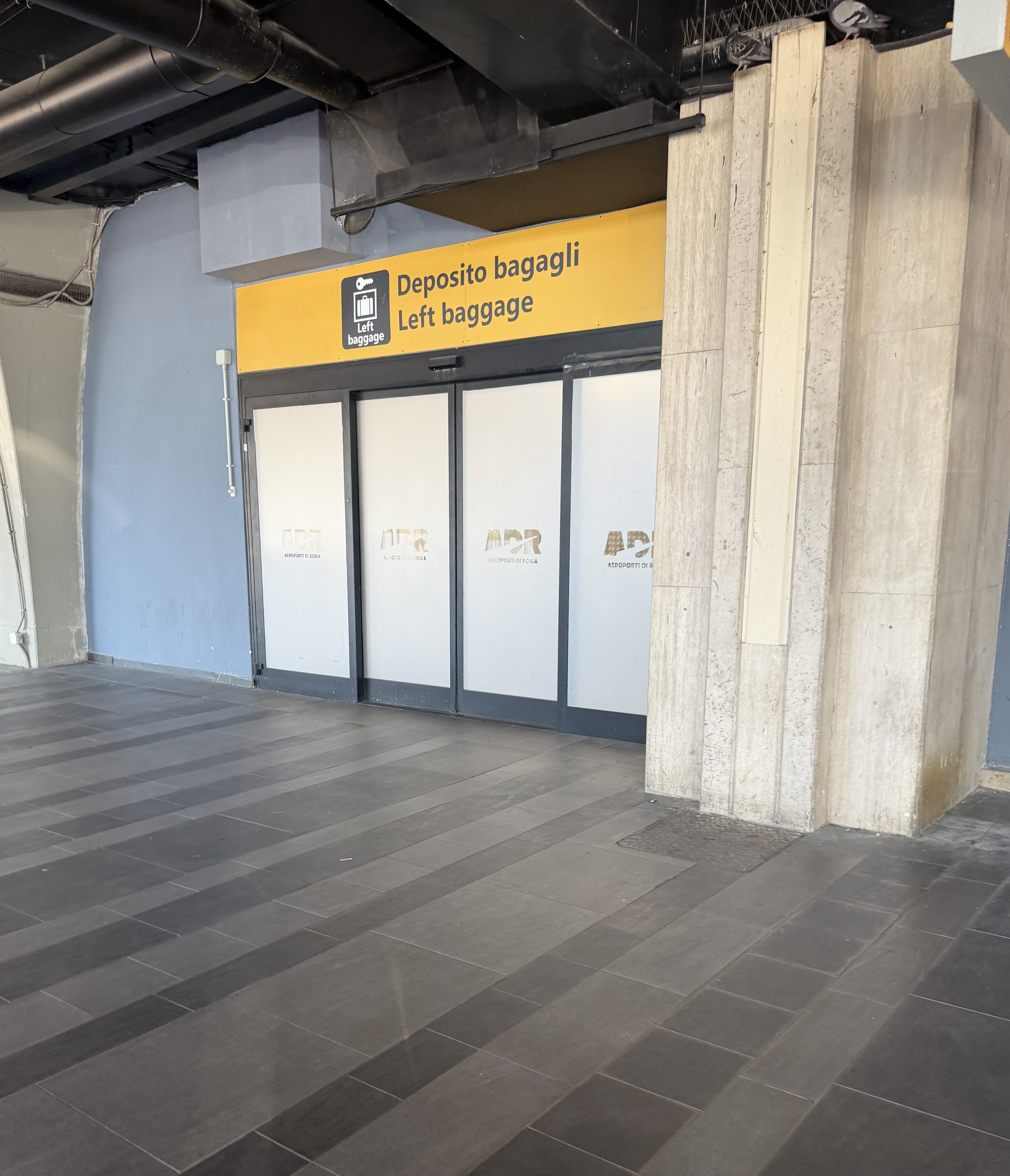
Before heading into the city, I stored my luggage at “Left Luggage” at Rome Fiumicino Airport (FCO).
Finding the luggage storage was incredibly easy.
After exiting baggage claim in Terminal 3, I followed the yellow signs pointing towards the transportation options, turned right towards the bus station, and found the Left Luggage at Rome Fiumicino Airport (FCO) conveniently located right beside it.
I paid $10 per piece of luggage, within just a few minutes, my bags were checked in and I was on my way to explore Rome.
How to Take the Train from Fiumicino Airport to the Colosseum
The train station is conveniently located directly across the street from the Left Luggage facility, making it an easy next stop after dropping off your bags.
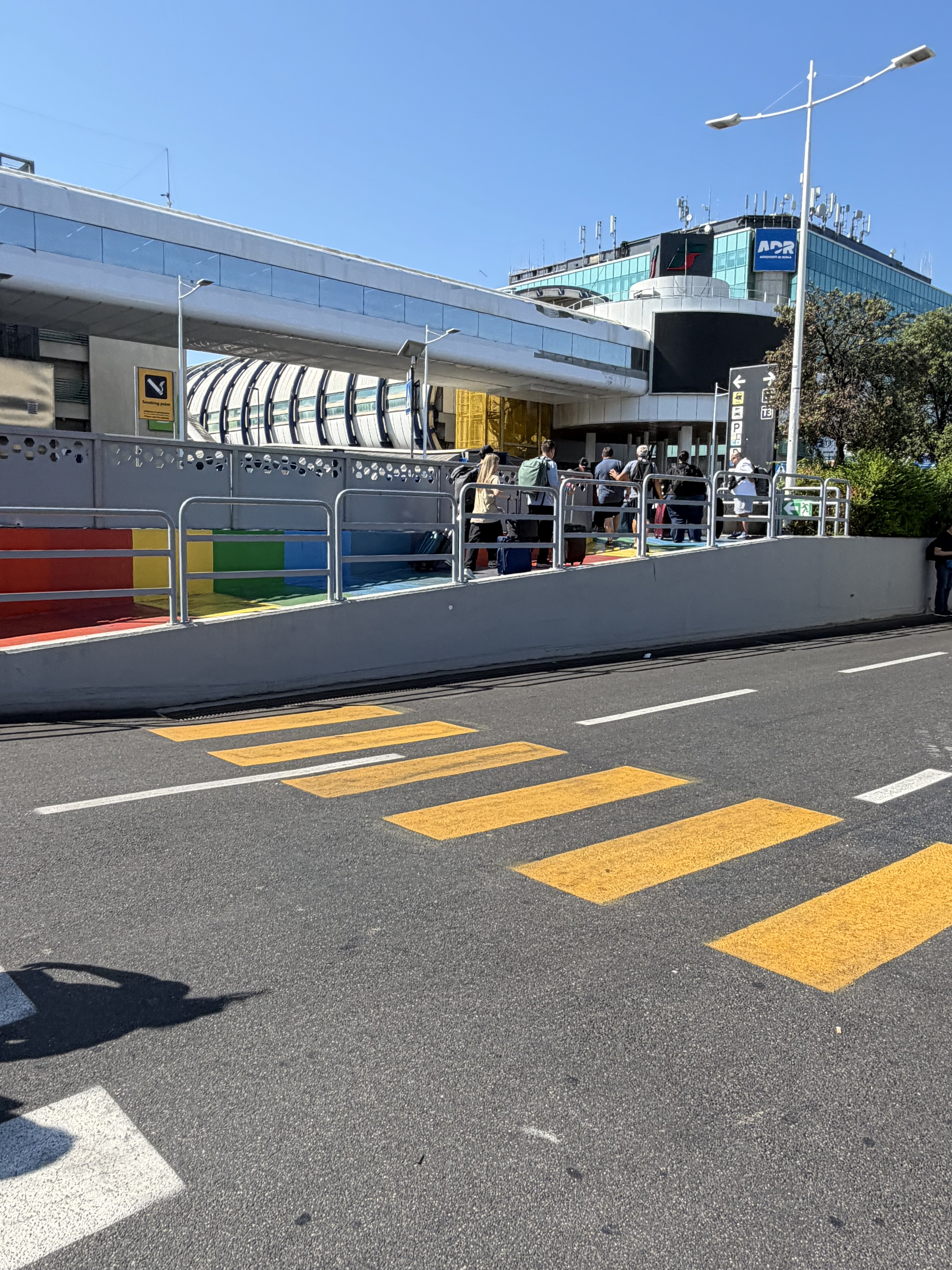
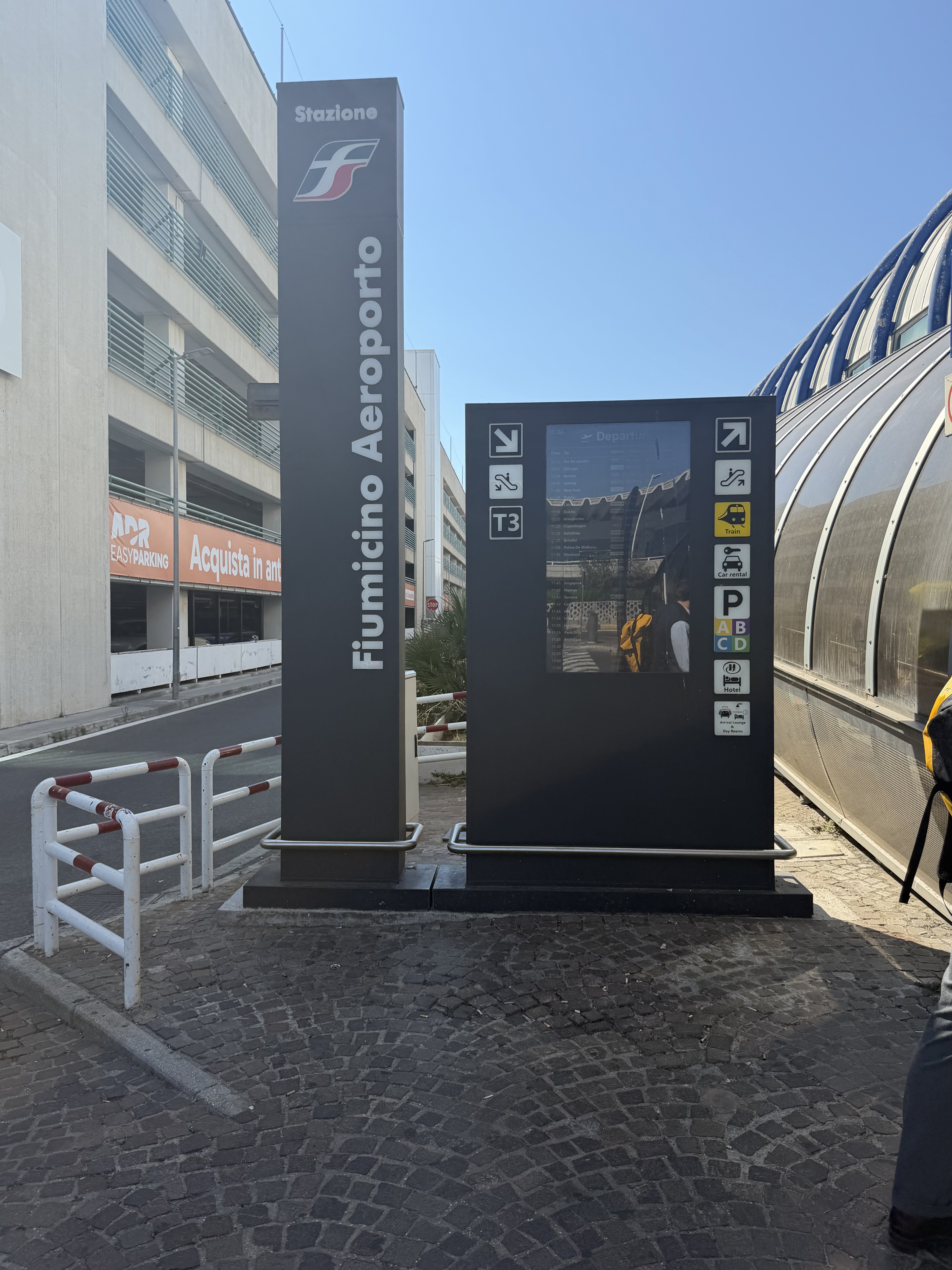
Once you reach the station, take the elevator upstairs to the train platforms. Before entering the train area, you’ll have the option to either purchase a traditional train ticket or use the contactless payment gates.
From Fiumicino Airport, you’ll generally see two main train options:
- Leonardo Express – This is the fastest and easiest option for most visitors. It’s a nonstop train that runs directly to Roma Termini Station in about 32 minutes, making it ideal if you’re heading into the city center for sightseeing.
- FL1 Regional Train – This commuter train makes several stops before reaching Rome and does not go to Roma Termini.
One of the trains had green regional branding, while the other was the Leonardo Express. If you’re heading into Rome for sightseeing, make sure you look specifically for the Leonardo Express, which takes you directly to Roma Termini Station without additional stops.
Since my first stop was the Colosseum, the Leonardo Express to Roma Termini would have been the simplest option. From Roma Termini, you can take Metro Line B just two stops to Colosseo Station, where you’ll step out right in front of one of Rome’s most iconic landmarks.
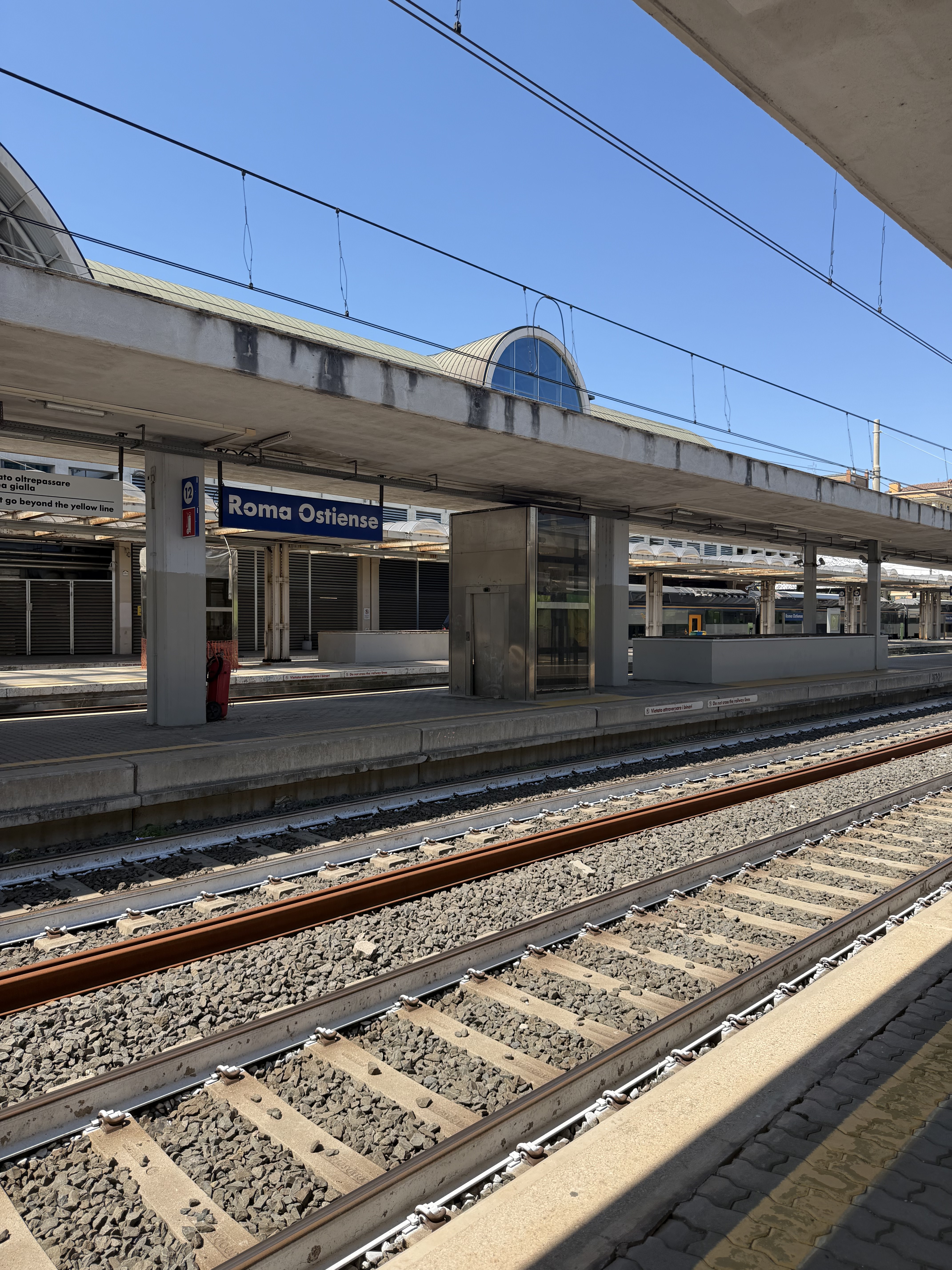
Don’t get turned around like I did lol
Visit the Colosseum—Rome’s Most Iconic Landmark
Even if you don’t have time for a full guided tour, seeing the Colosseum in person is worth the trip. Want to learn more about its fascinating past? Read my post on the history of three of Rome’s most iconic landmarks.

Walk Through Rome to the Trevi Fountain
One of my favorite parts of the afternoon wasn’t just the destination—it was the walk between landmarks.
The stroll from the Colosseum to the Trevi Fountain takes you through charming streets, lively piazzas, cafés, and some of Rome’s most beautiful architecture.
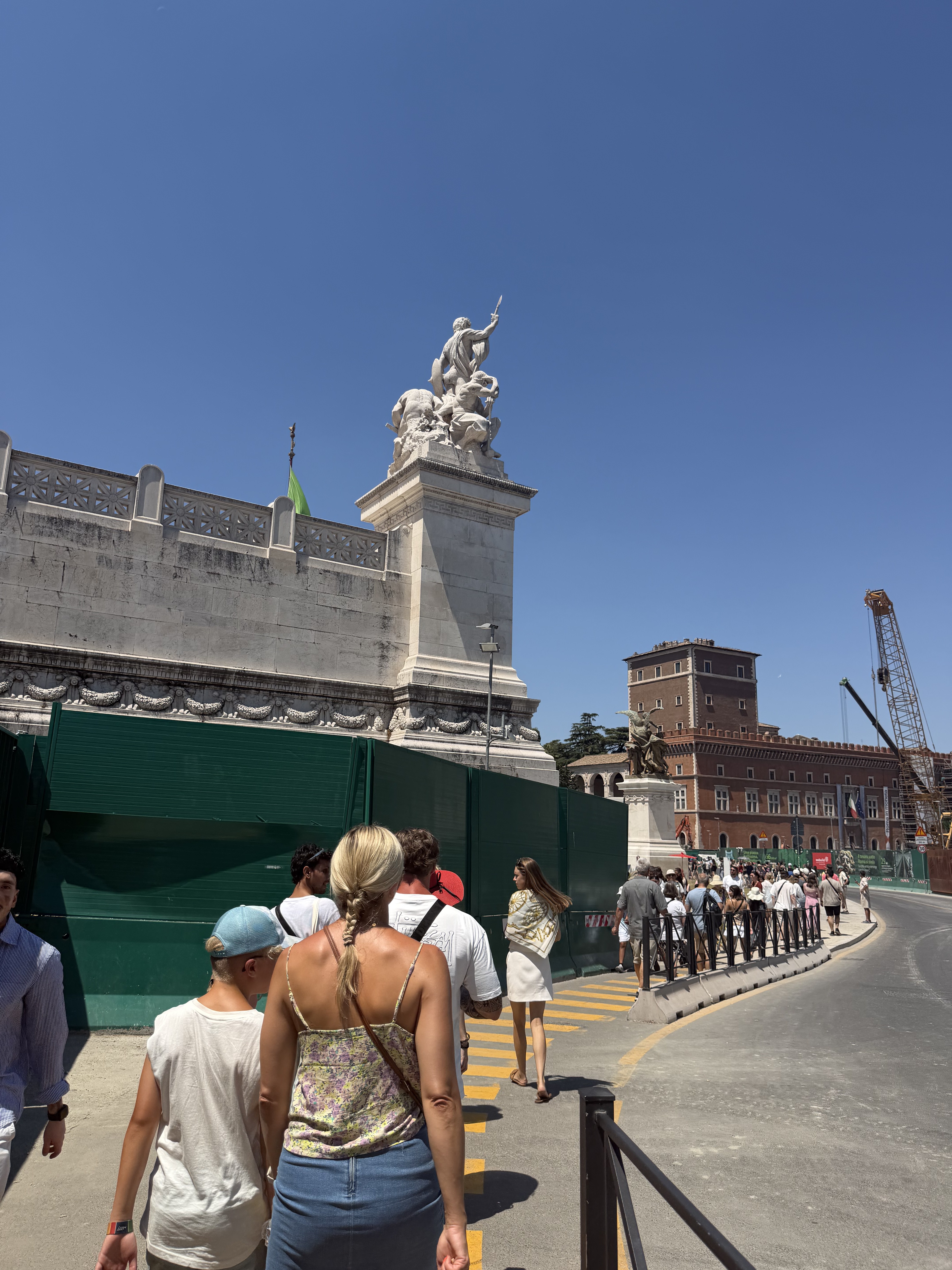
The walk was approximately 20 minutes. I used Google Maps to guide me, but honestly you could get there by following the crowd.

Take a Taxi to the Vatican Museums
If your schedule is tight, taking a taxi is the quickest way to maximize your afternoon.
Plus taking a break from the heat in an air conditioned car is worth every cent if you’re traveling in the summer.
The taxi ride from the Trevi Fountain to the Vatican Museums cost €12.40.
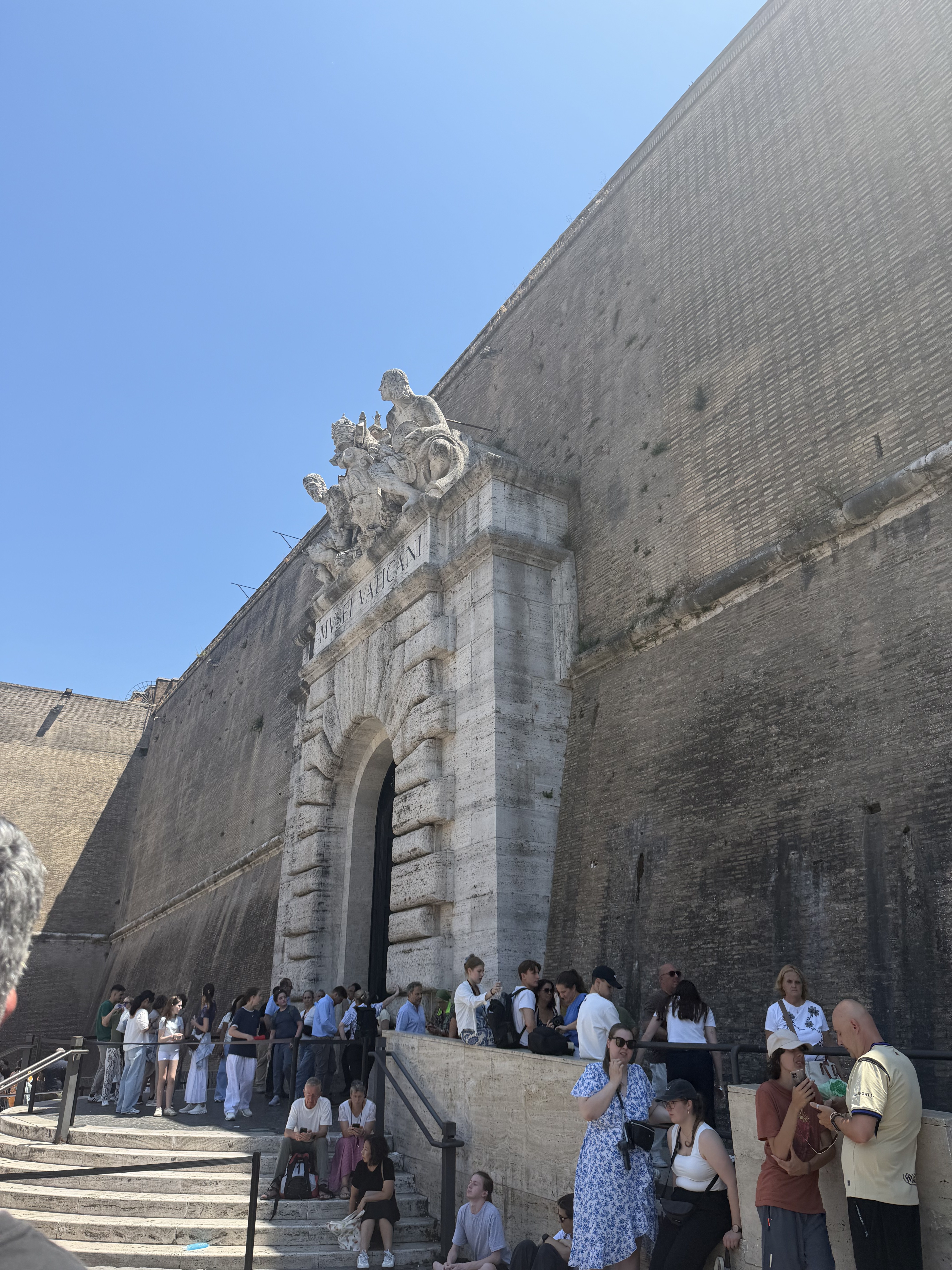
Tip: Be aware of unofficial Vatican Museum Ticket Sellers
How to Find a Taxi in Rome
Finding a taxi in Rome is usually easier than trying to wave one down on the street. In many of the larger piazzas and popular tourist areas, you’ll find official taxi stands marked with a sign that says “Taxi” with a line of licensed taxis waiting nearby.
Instead of searching for a taxi on your own, you can also use a taxi app called IT Taxi to request a ride directly from your phone. This can be especially helpful if you’re leaving a busy area, traveling with luggage, or want the convenience of arranging transportation without having to find the nearest taxi stand.
When using taxis in Rome, look for official white taxis with a “TAXI” sign on the roof and a license number displayed on the vehicle. Avoid accepting rides from anyone approaching you and offering a taxi outside of official taxi areas.
Tip: If you’re unsure where to find a taxi stand, ask a nearby hotel, café, or shop where the closest taxi area is. Most major squares and tourist attractions will have one nearby.
Taking a Taxi Back to Rome Fiumicino Airport
After visiting the Vatican Museums, I grabbed a taxi directly back to Fiumicino Airport.
While trains are another great option, the taxi was the most convenient choice for my schedule.
One thing I appreciated about taking a taxi back to FCO was the transparency of the pricing.
Inside the taxi, the driver had a laminated sign displaying the flat rate fare to Rome Fiumicino Airport (FCO), which was €55.
This made it easy to budget for the ride and avoid worrying about the meter changing with traffic.
Planning Your Own Afternoon In Rome?
I know how helpful it can be to have the details saved in one place when you’re navigating a new city, especially when you only have a few hours to explore.
I put together a free Rome Afternoon Itinerary Guide with the key details from this trip, including transportation options, estimated travel times, costs, and helpful tips for making the most of your time in the city.
You can save it to reference while planning your own visit to Rome or keep it handy for the day you arrive.

Is an Afternoon in Rome Worth It?
Although you could spend weeks exploring Rome and still discover something new, even a single afternoon can give you a glimpse into what makes this city so special.
From standing in the shadow of the Colosseum to wandering the streets between landmarks, every corner tells a story.
My afternoon in Rome was a reminder that you don’t always need a lot of time to have a meaningful travel experience — sometimes a few hours are enough to leave a lasting memory.