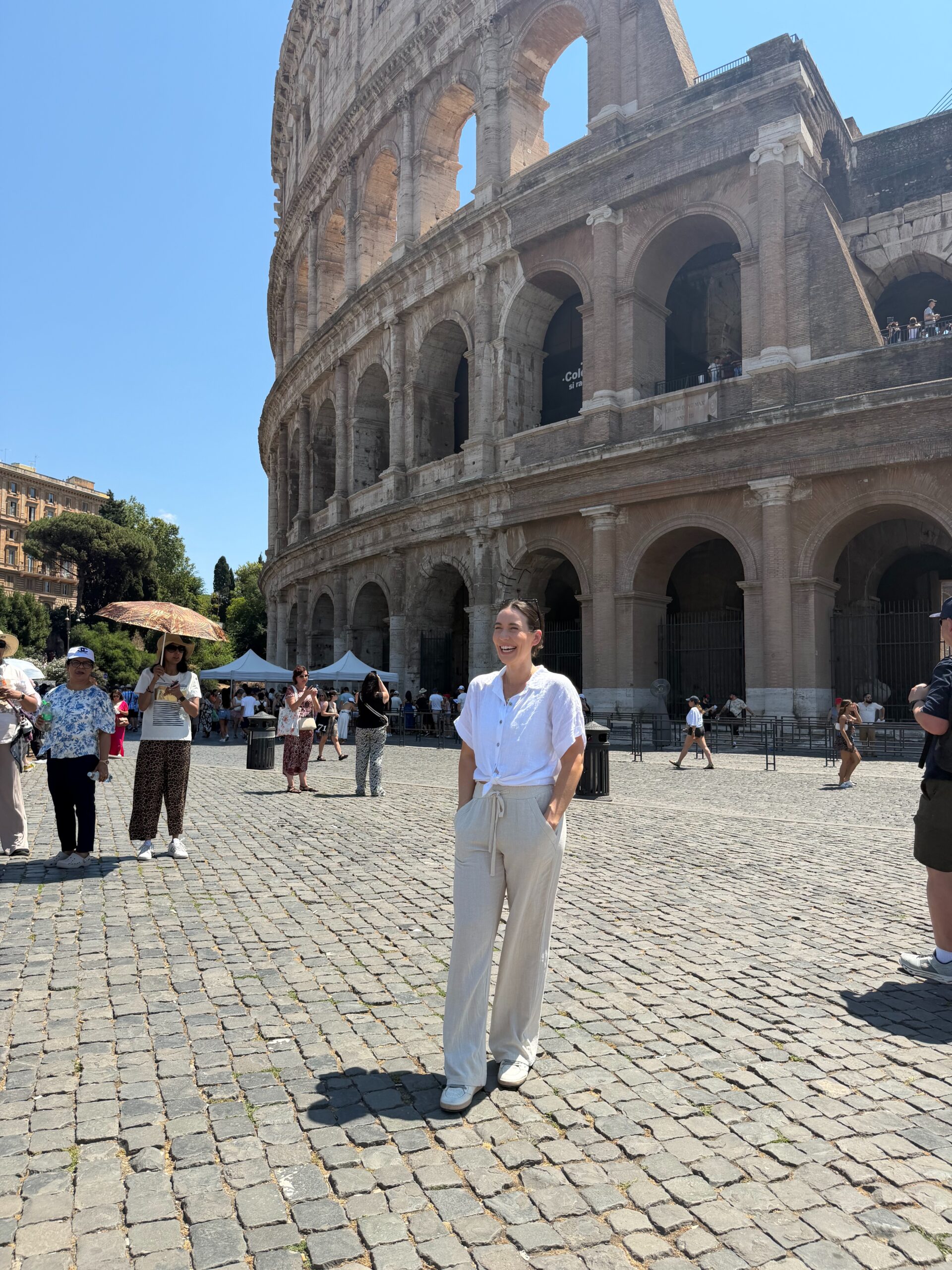
Rome has a way of revealing that history is not something locked away in books—it is something you can stand inside, walk through, and feel around you.
Every corner seems to hold a reminder of the people who shaped this city: engineers who mastered water, architects who built for thousands, artists who transformed stone and paint into lasting stories.
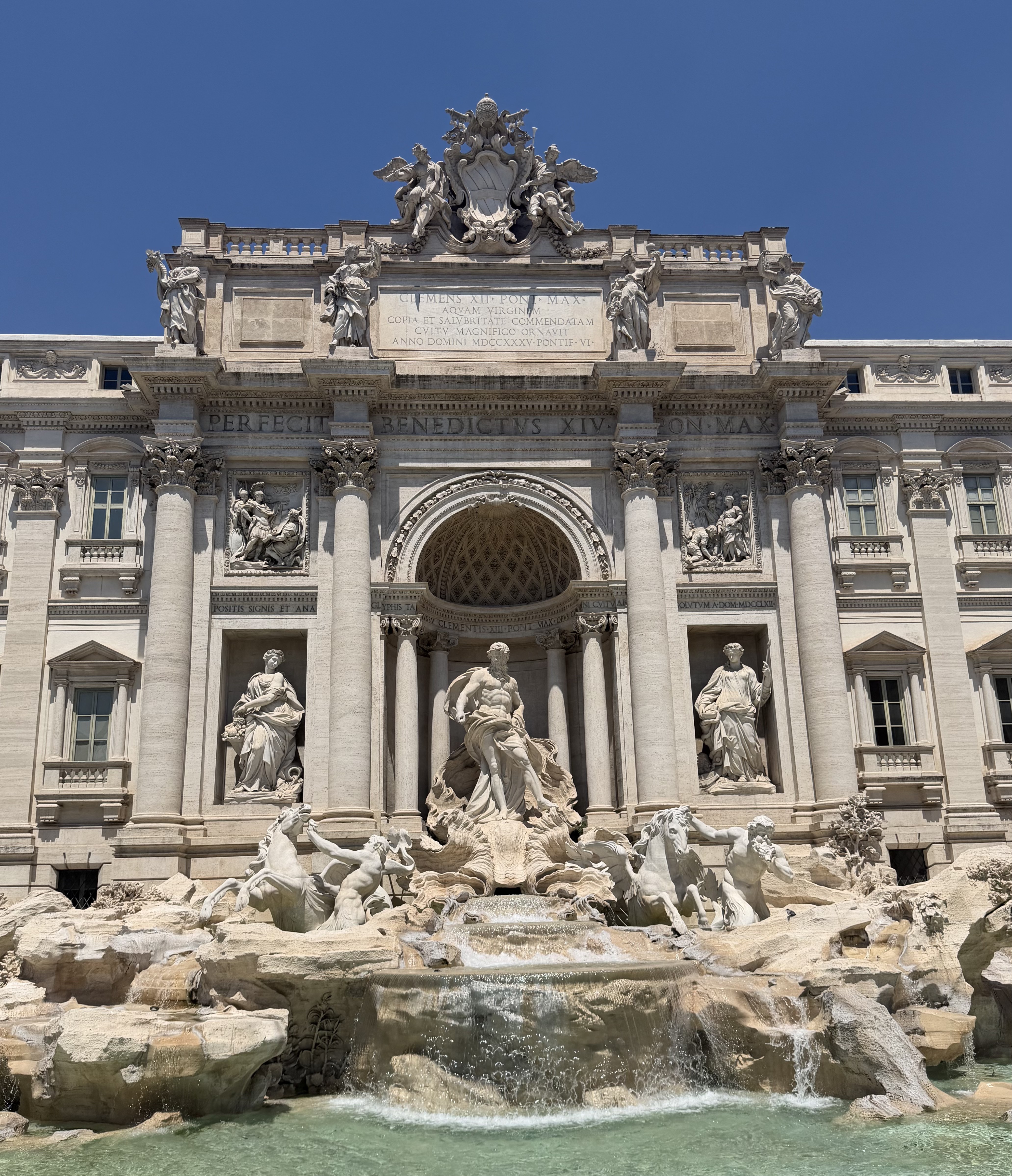
The Trevi Fountain, the Colosseum, and the Vatican each reveal a different part of Rome’s identity, showing a civilization that was brilliant, complex, and profoundly influential.
Trevi Fountain History: Ancient Roman Engineering Behind Rome’s Most Famous Fountain
One of the most fascinating things about the Trevi Fountain is that it marks the endpoint (or terminus) of the ancient Aqua Virgo aqueduct, which has carried fresh spring water into Rome since 19 BCE.
Rather than relying on pumps, the Romans designed aqueducts with an incredibly gentle, carefully calculated slope so gravity alone kept the water flowing over many kilometres.
The water came from naturally clean springs, with settling tanks allowing sand and sediment to sink before it reached the city.

Contrary to what you might expect, the water wasn’t under enormous pressure—it flowed steadily because of the gradual downhill gradient. At the end of the aqueduct, instead of simply emerging from a pipe, the Romans created magnificent fountains like the Trevi, transforming an essential piece of infrastructure into a work of art.
It’s a remarkable example of how ancient engineering combined practical function with extraordinary beauty.
Today, visitors continue the centuries-old tradition of tossing a coin over their shoulder into the fountain, with one coin said to ensure a return to Rome.
The millions of coins collected each year are donated to charity, making the Trevi Fountain not only a masterpiece of engineering and art but also a place that continues to make a positive impact today.
Colosseum History: The Engineering and Stories Behind Ancient Rome’s Iconic Arena

The Colosseum was far more than a giant arena—it was a carefully engineered symbol of Roman power, entertainment, and innovation.
Built between 70 and 80 CE under the emperors of the Flavian dynasty, it could hold tens of thousands of spectators and was designed with a complex system of entrances, stairways, and corridors that allowed crowds to enter and leave efficiently.
Beneath the arena floor was the hypogeum (a network of underground chambers and passageways) where gladiators, animals, and equipment were kept before being brought into view of the audience through a series of lifts and trapdoors.
The Romans even designed a massive retractable canopy called the velarium to protect spectators from the sun.
While the Colosseum is often remembered for the brutal contests that took place there, it also represents the remarkable engineering skills of ancient Rome and remains a powerful reminder of how architecture can reflect the values, ambitions, and contradictions of a civilization.
Vatican City History: Art, Religion, and the Legacy of the World’s Smallest Country
Despite being the smallest country in the world, the Vatican holds an extraordinary amount of history, art, and influence.
Within its walls are the Vatican Museums, a vast collection built up over centuries by generations of popes who preserved and collected some of the world’s greatest works of art.

Walking through the museums is like moving through a timeline of human creativity, from ancient Roman sculptures and Egyptian treasures to Renaissance masterpieces. Hidden within this collection is the Sistine Chapel, where Michelangelo transformed a simple ceiling into one of the most celebrated works of art in history.
Nearby stands St. Peter’s Basilica, built over what is believed to be the tomb of Saint Peter, making it one of the most important sites in Christianity.
The Vatican is not just a place of religion—it is a living archive of art, history, architecture, and human achievement, where centuries of stories are preserved within a few city blocks.
Why Rome’s Landmarks Still Matter Today
Perhaps that is the true magic of Rome: every stone carries a story.
Beneath the fountains, within the walls of its arenas, and throughout its sacred spaces are the ideas, dreams, triumphs, and struggles of the people who came before us.
Rome reminds us that civilizations may rise and fall, but the things humans create, question, and leave behind can continue to speak across thousands of years.