Between Flights

Explore Europe through destination guides, travel inspiration, and practical tips for making the most of every trip. From charming towns and historic cities to hidden gems and unforgettable experiences, discover the places that make Europe worth exploring.

  • What to Expect at an Italian Wedding: A Guest’s Guide to Food, Fashion & Celebration

    What to Expect at an Italian Wedding: A Guest’s Guide to Food, Fashion & Celebration

    When most people picture Italy, they think of famous landmarks, beautiful coastlines, and incredible food. But one of my favorite ways to experience a country is through the moments that show how people truly celebrate.

    While visiting Italy, I had the opportunity to attend an Italian wedding in a small beach town outside of Rome. From the traditional church ceremony to the unforgettable dining experience that followed, it gave me a glimpse into a side of Italy that many travelers may never get to experience.

    If you’re attending an Italian wedding for the first time, here are a few things I noticed and what you can expect.

    The Italian Wedding Venue: A Charming Small-Town Setting

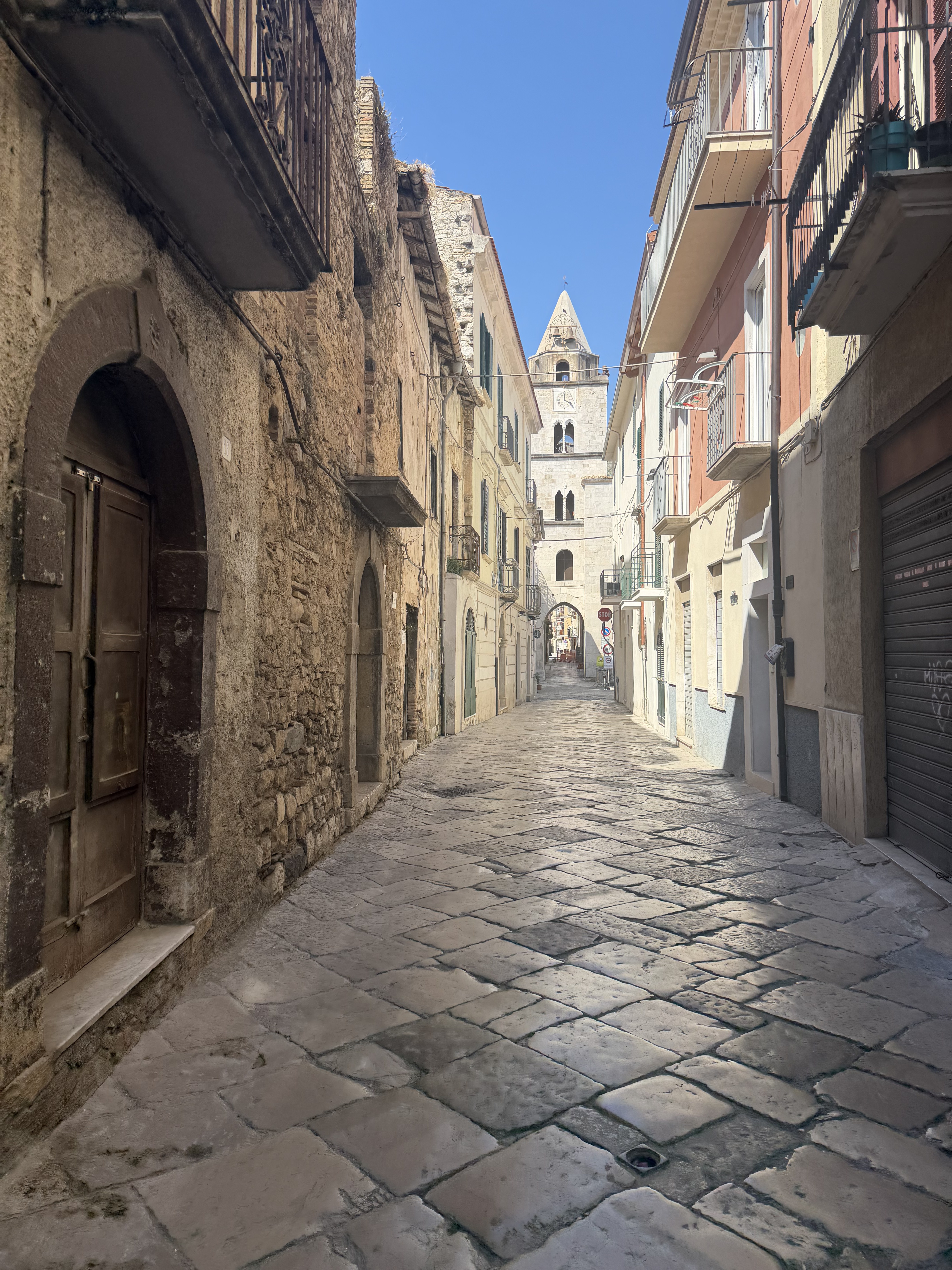
    The wedding took place in a small coastal town outside of Rome, creating an intimate and authentic Italian atmosphere.

    The ceremony was held in a traditional Catholic church, which was absolutely beautiful and full of character.

    One thing to keep in mind if you’re attending a wedding in Italy, especially during warmer months, is that older churches may not have air conditioning. Thankfully, hand fans were provided for guests.

    The couple mentioned that the ceremony would be short, but it still lasted around two hours — so be prepared that a “short” ceremony in Italy may look a little different than what you’re used to!

    What to Wear to an Italian Wedding: Fashion & Style

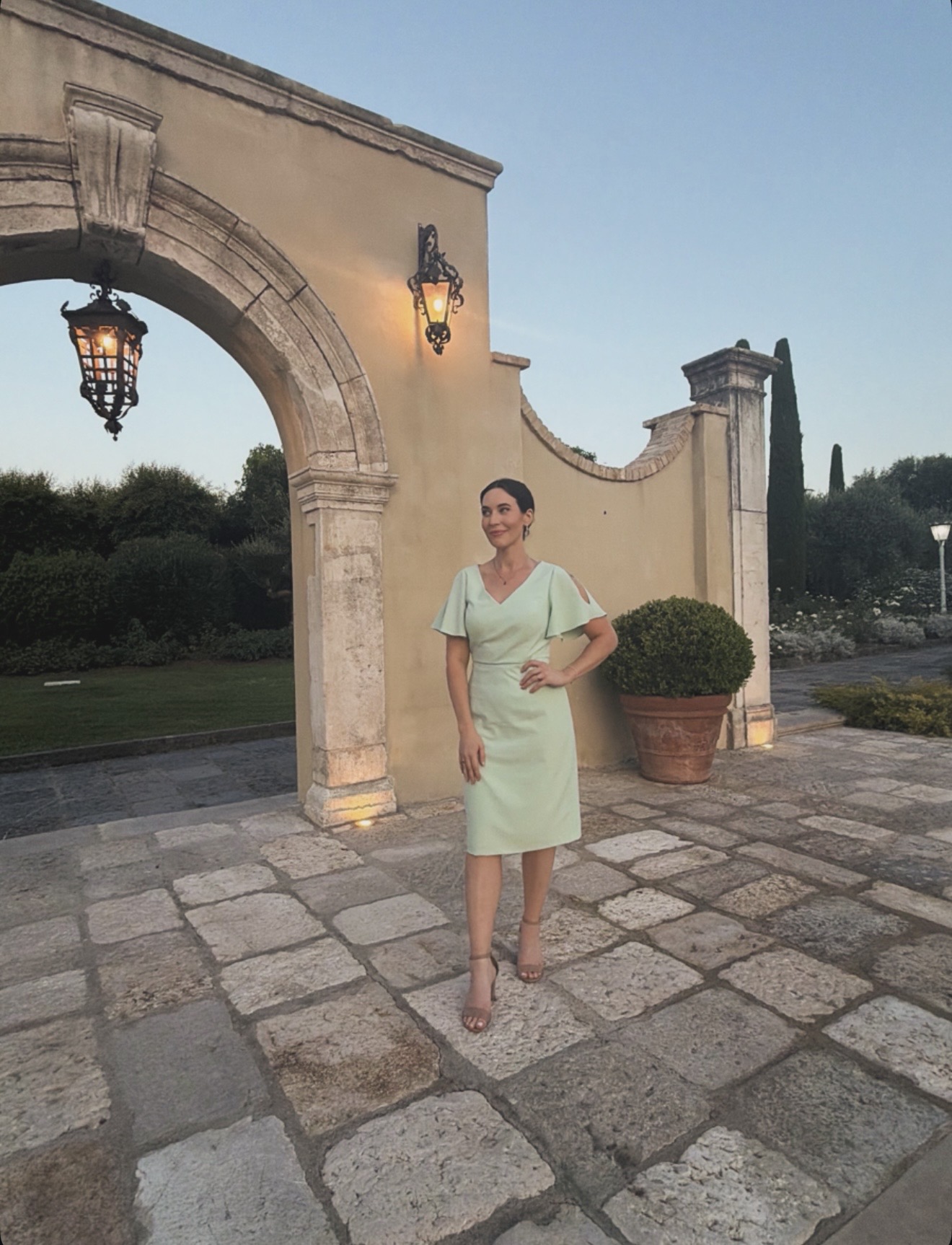
    One of the things that stood out to me most was how beautifully everyone dressed. The fashion felt elegant, formal, and full of personality.

    The overall style was polished but unique, with guests choosing outfits that complemented their natural beauty. I noticed:

    • Formal, colorful dresses: Guests wore everything from classic all-black looks to bold colors like bright red. The outfits felt sophisticated without being overdone.
    • Statement accessories: Many women carried small clutch purses with shimmer, studs, or embellishments that matched their shoes and earrings.
    • Church-appropriate details: Some women wore dresses with exposed shoulders but brought a wrap or shawl to cover up while inside the church.
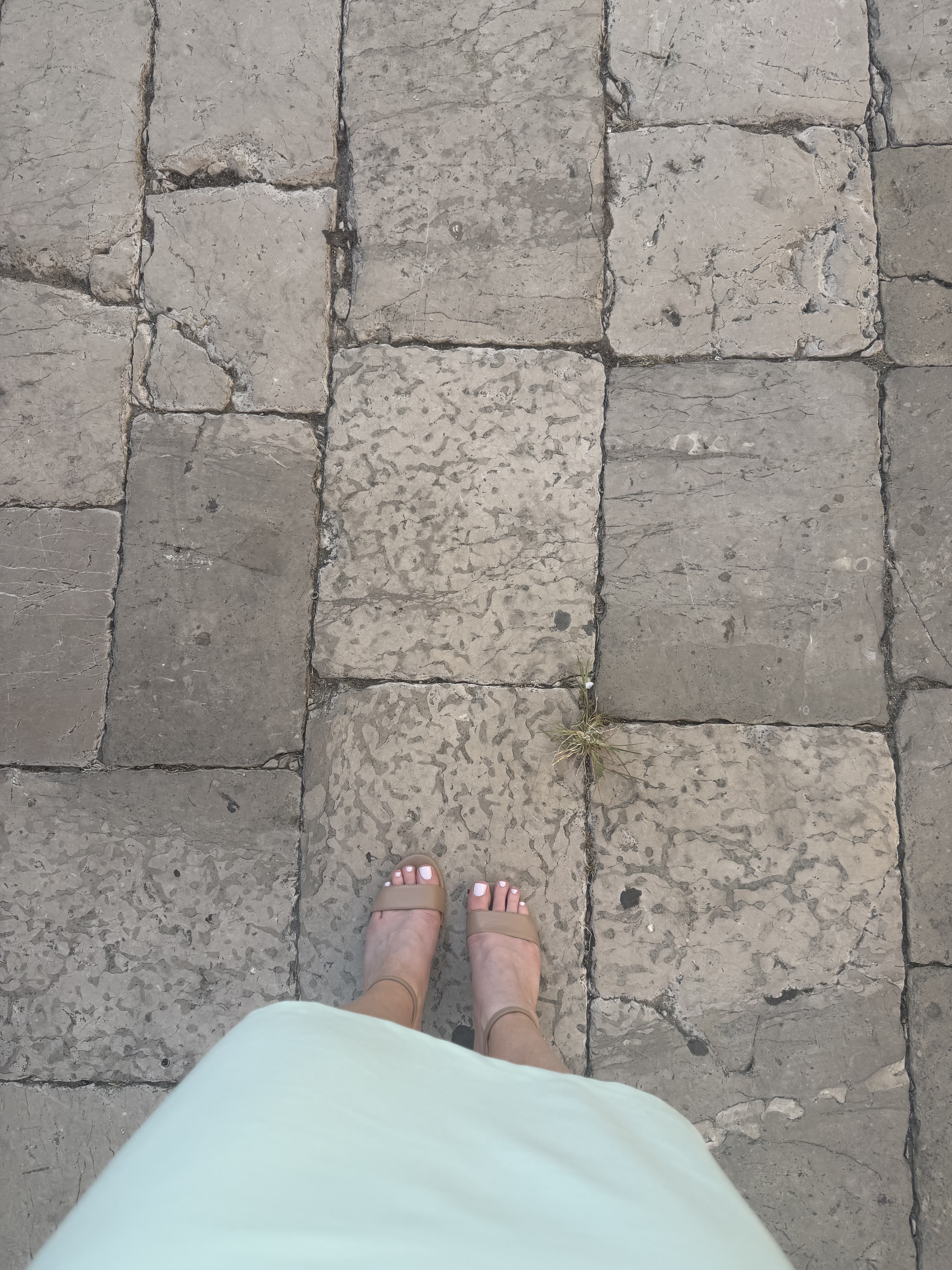
    • Stylish but practical footwear: Some guests confidently walked the cobblestone streets in stilettos — a true commitment to fashion!

    If you’re wondering what to wear to an Italian wedding, think elegant, formal, and don’t be afraid to embrace color. Just remember to choose shoes you can comfortably wear through a long day of celebrating.

    The Italian Wedding Reception: A Dining Experience to Remember

    The biggest takeaway from the wedding was the food — and the experience started long before we ever sat down for dinner.

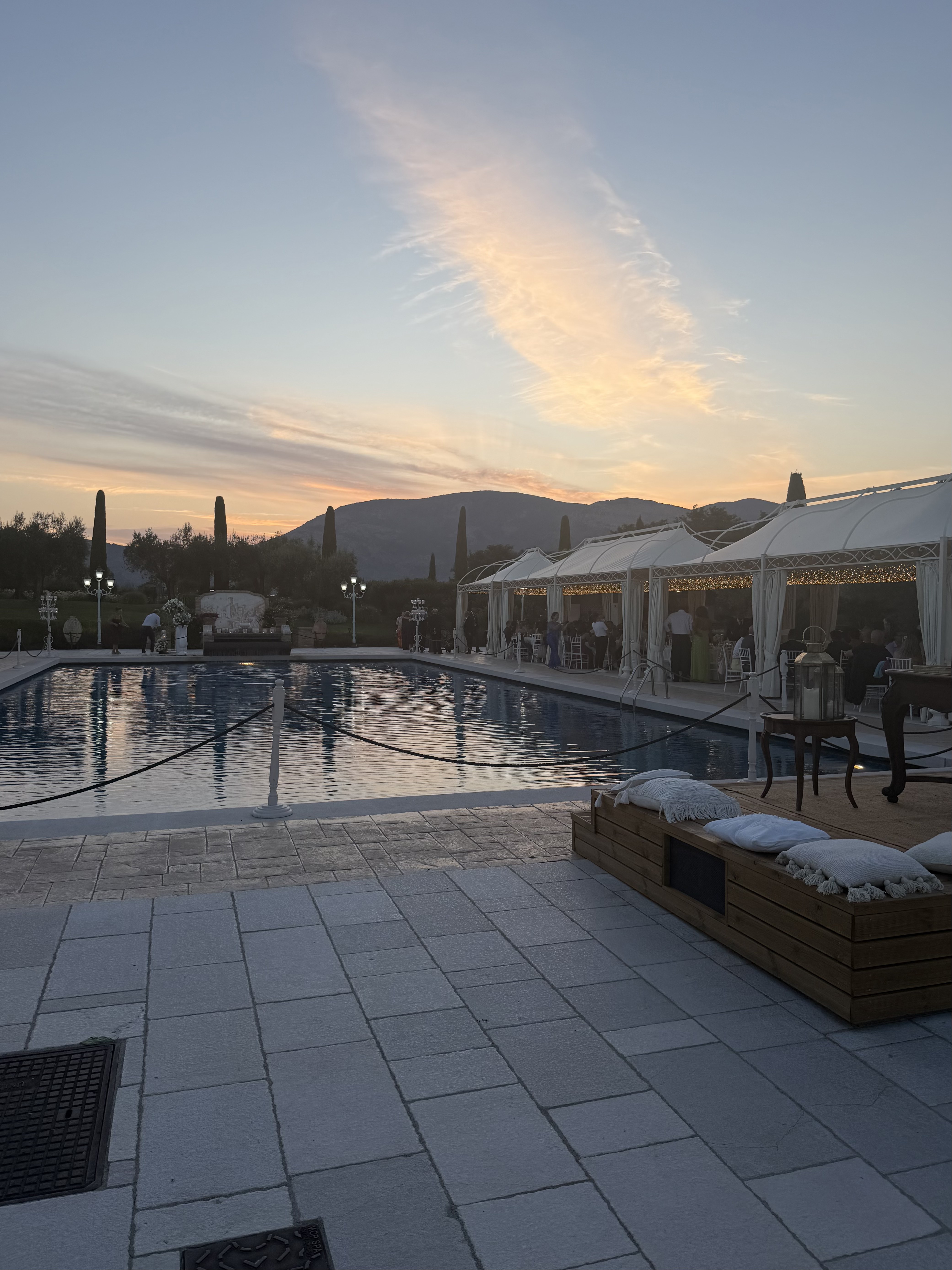
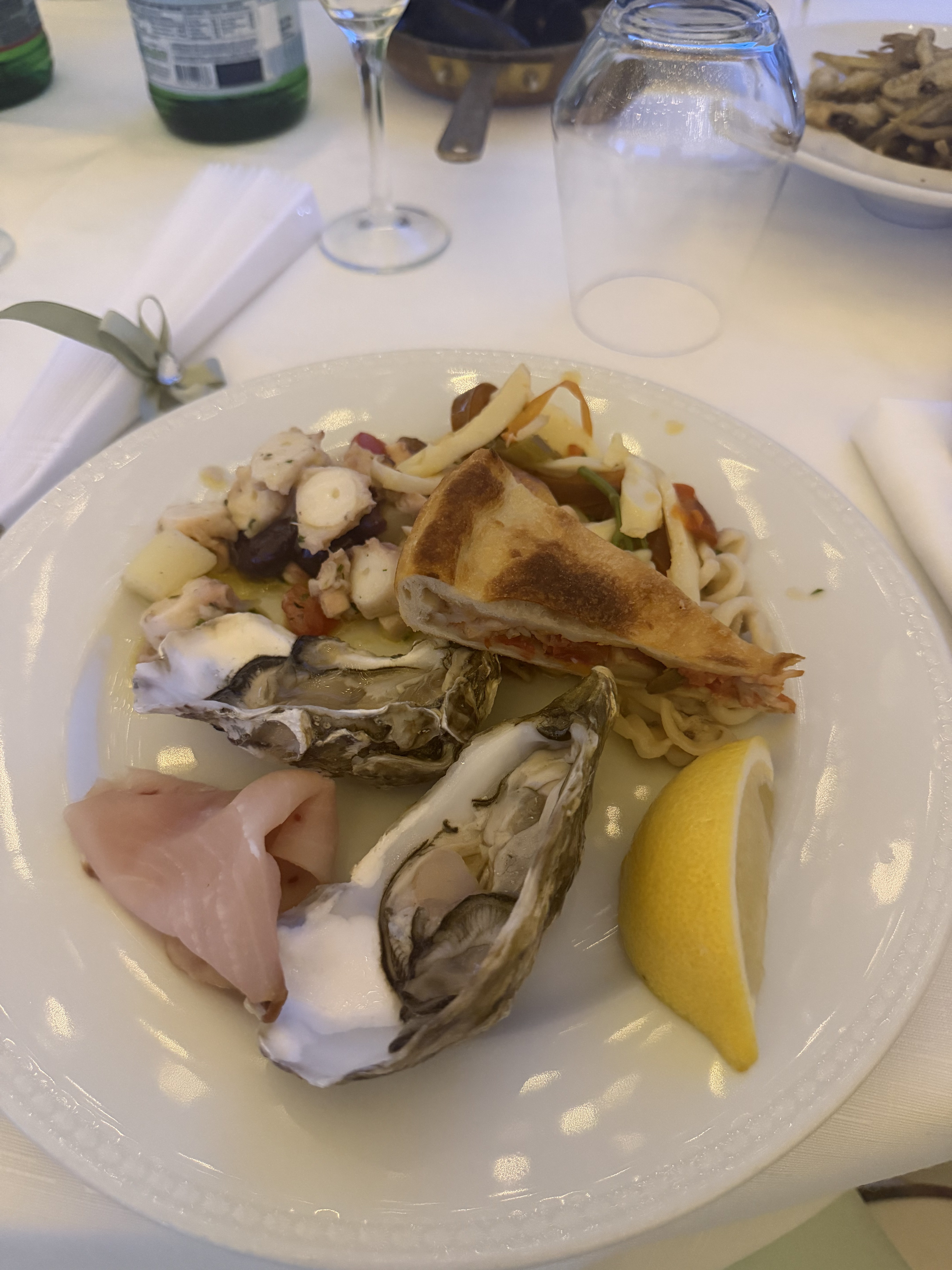
    Before the meal even began, guests gathered for an aperitivo by the pool. There were drinks, appetizers, and plenty of time to relax, mingle, and enjoy the beautiful setting. Honestly, there was enough food during this first part of the evening that it could have been a full meal on its own.

    But we were just getting started.

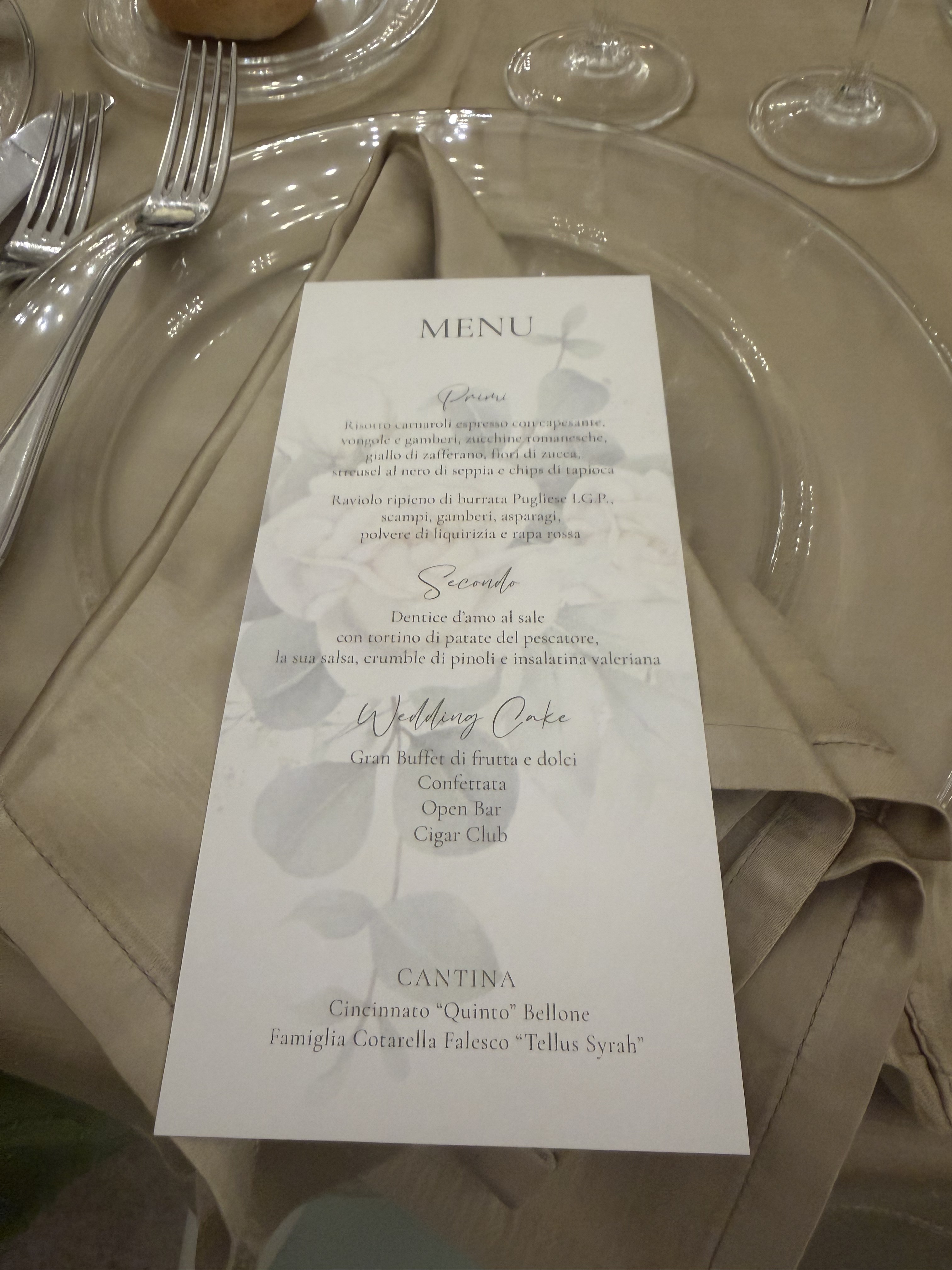
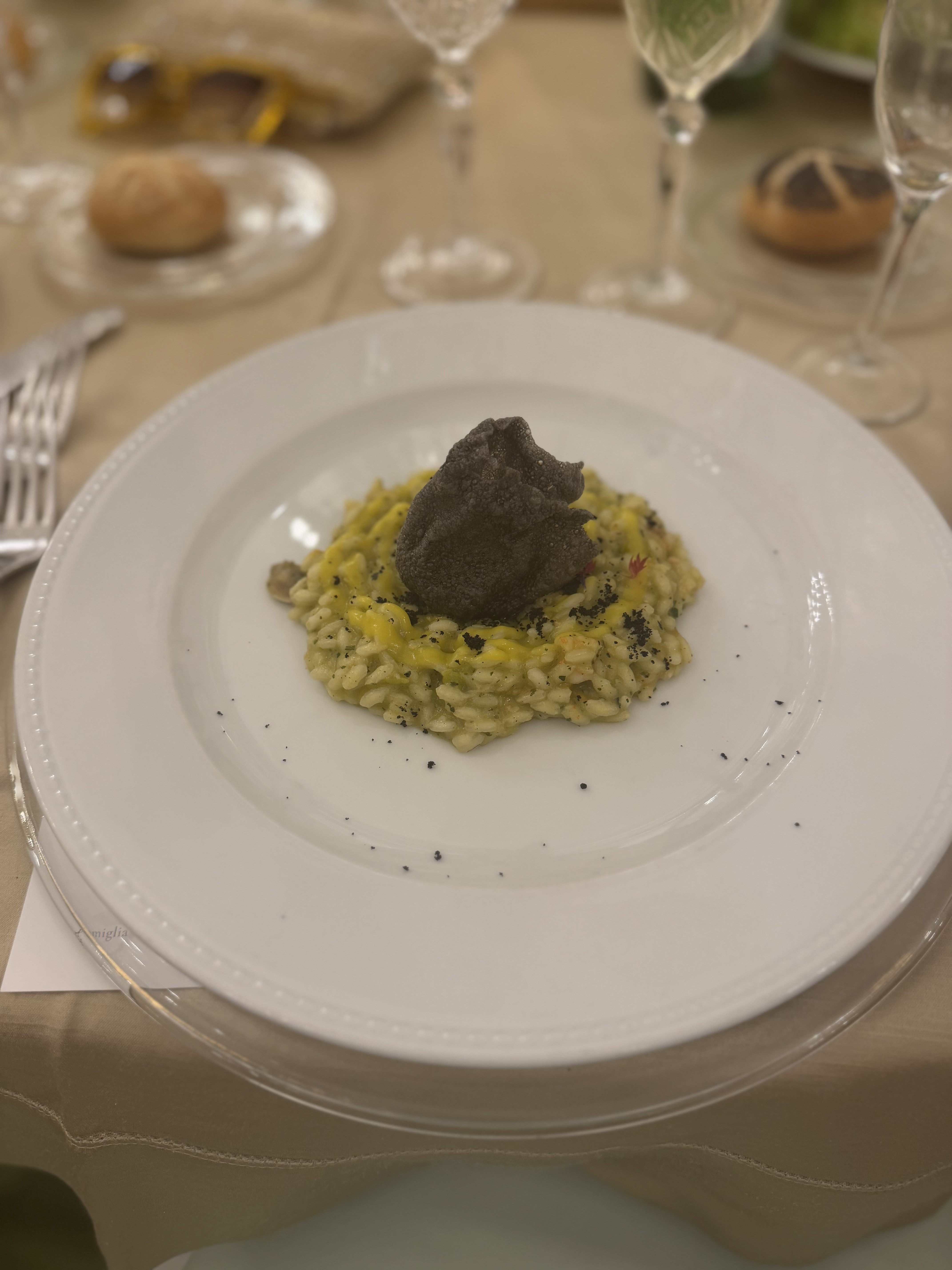
    After the aperitivo, the dinner continued with course after course, turning the meal into an experience rather than just another part of the celebration.

    The pace was slower than what many guests may be used to, allowing everyone to enjoy each dish, conversation, and moment around the table. The focus wasn’t just on the food itself — it was about connection, celebration, and enjoying time with the people around you.

    If you’re attending an Italian wedding, my biggest advice is simple:

    Come hungry.

    The aperitivo alone may feel like enough, but it’s only the beginning. Be ready to relax, enjoy the meal, and appreciate the way food brings everyone together.

    The Celebration Continues: Fireworks, Dessert & Dancing

    Just when we thought the evening couldn’t get any better, the celebration continued after dinner.

    Guests moved outside for fireworks, dessert, cigars, and more drinks before heading back to the dance floor. Each part of the evening brought something new, turning the wedding into a full night of celebration filled with memorable moments.

    This was one of the things I loved most about the experience. The wedding wasn’t just a ceremony and a reception — it felt like a complete celebration centered around food, connection, and creating memories.

    If you’re attending an Italian wedding, be prepared for the celebration to continue long after the ceremony ends. Some of the best moments happen when you least expect them.

    Final Thoughts: Experiencing Italy Beyond the Tourist Stops

    One of my favorite parts of traveling is experiencing the moments that show you how people truly live, and attending an Italian wedding was a perfect example of that.

    While Italy is known for its landmarks, history, and incredible food, experiences like sharing a meal, celebrating with others, and being welcomed into someone’s special day create some of the memories you’ll carry with you the longest.

    If you ever have the opportunity to attend an Italian wedding, take it. Just remember to come hungry, dress up, and be ready for a celebration you won’t forget.

  • How to Spend an Afternoon in Rome: The Perfect Half-Day Itinerary

    How to Spend an Afternoon in Rome: The Perfect Half-Day Itinerary

    You don’t need an entire week to fall in love with Rome.

    Whether you have a long layover, arrive early before checking into your hotel, or simply have one free afternoon, you can still experience some of the city’s most iconic landmarks.

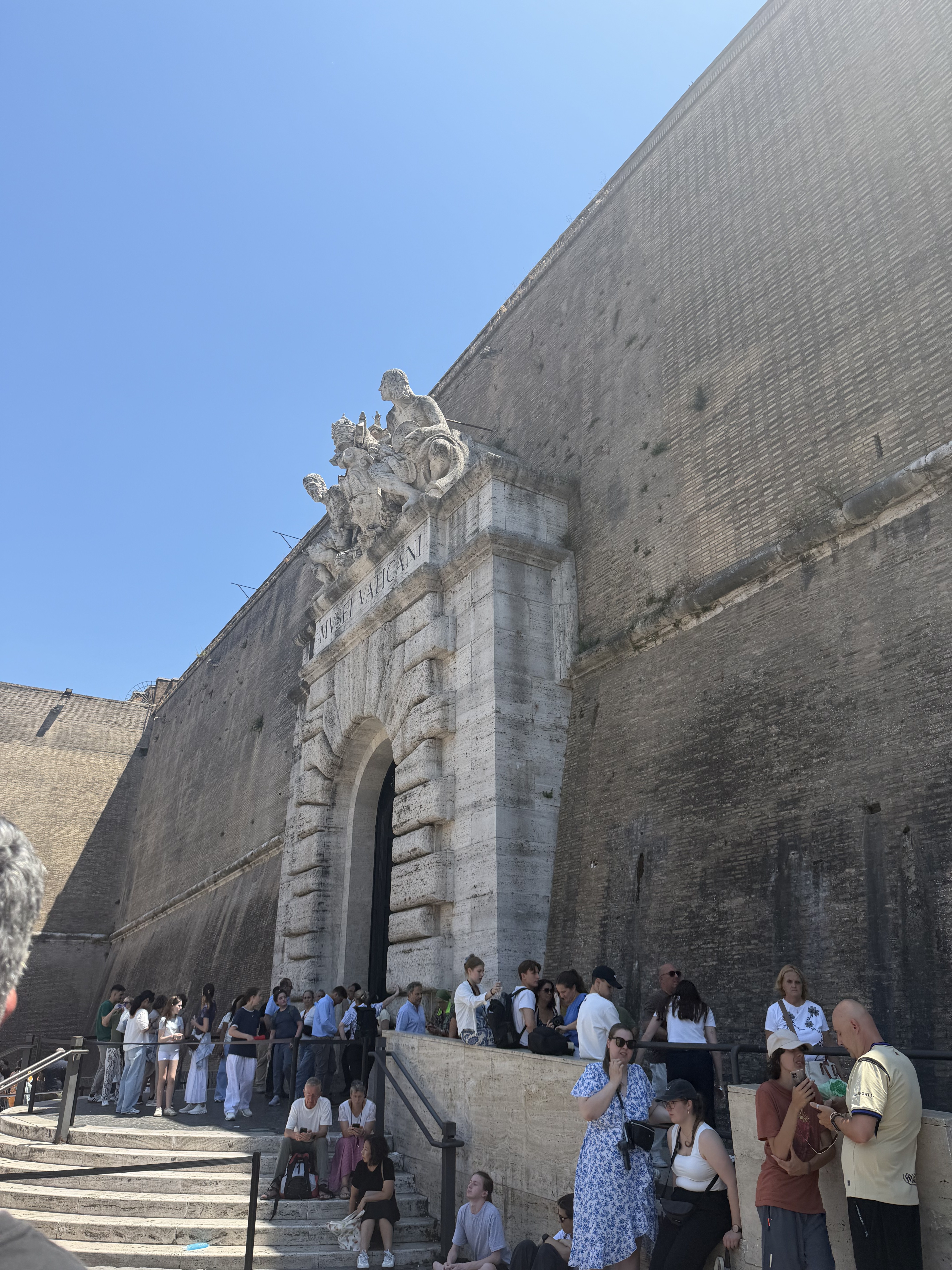
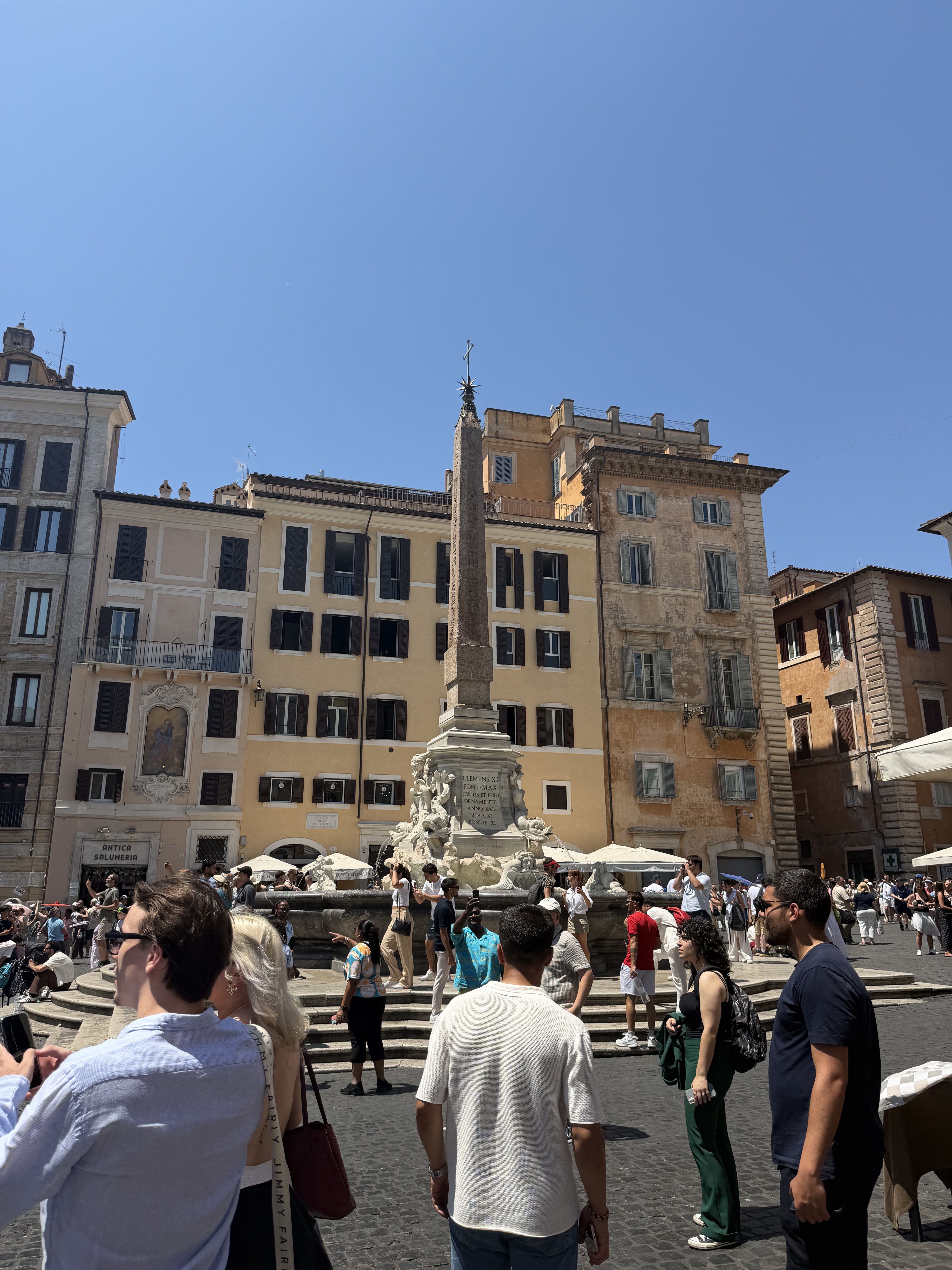
    During my afternoon in Rome, I visited the Colosseum, Trevi Fountain, and the Vatican Museums—all in just a few hours.

    Here’s exactly how I did it.

    Where to Store Your Luggage at Rome Fiumicino Airport (FCO)

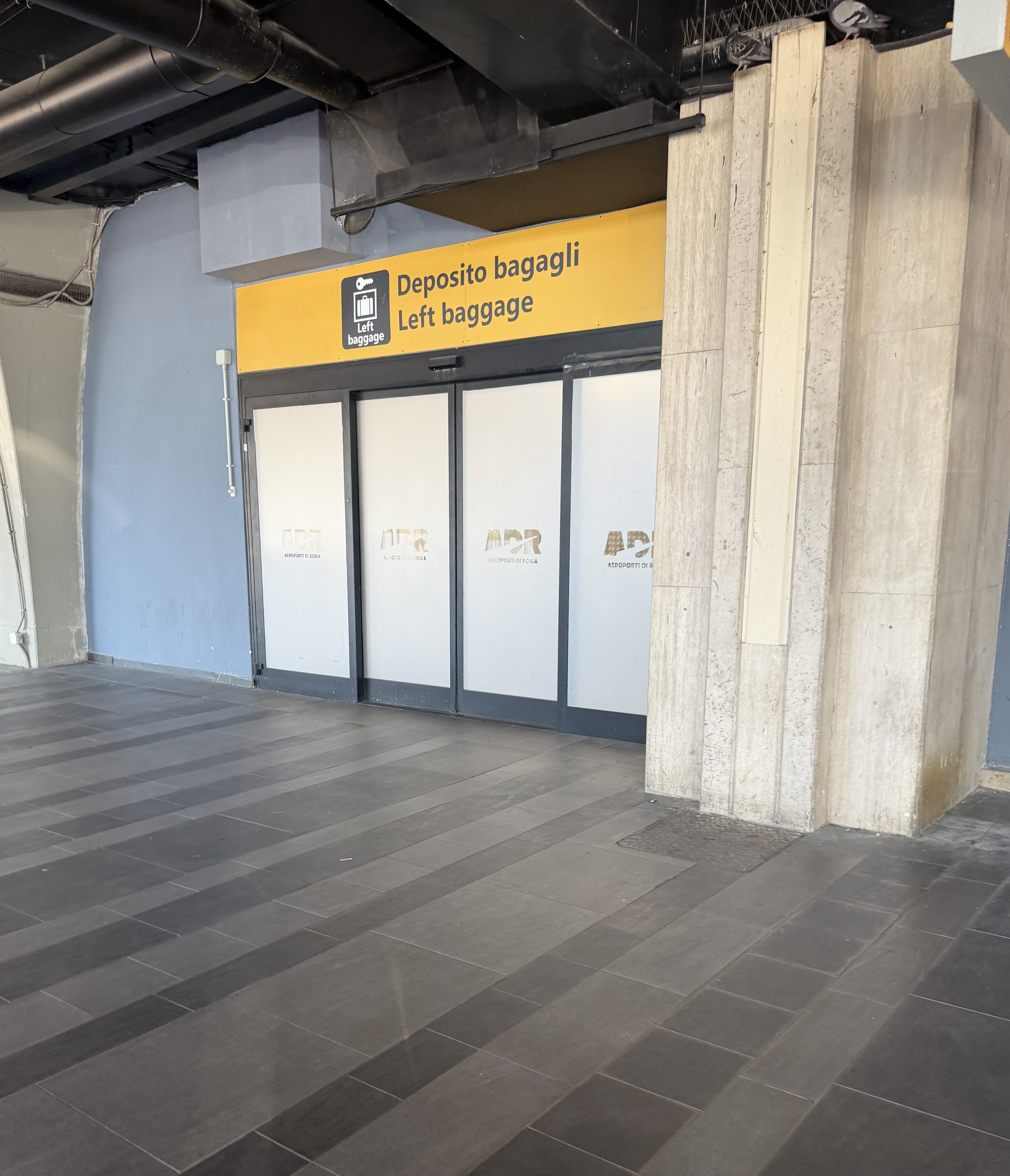
    Before heading into the city, I stored my luggage at “Left Luggage” at Rome Fiumicino Airport (FCO).

    Finding the luggage storage was incredibly easy.

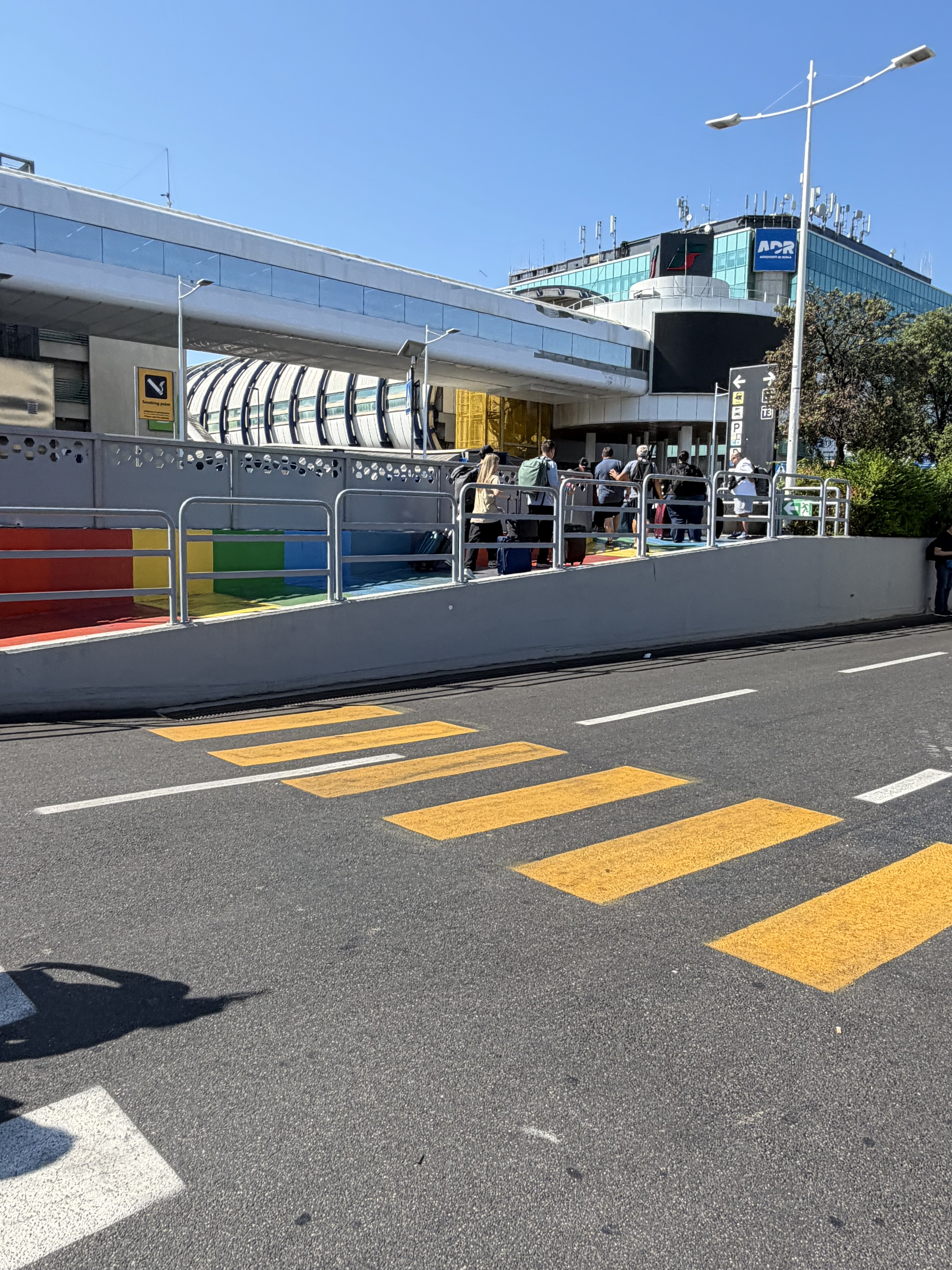
    After exiting baggage claim in Terminal 3, I followed the yellow signs pointing towards the transportation options, turned right towards the bus station, and found the Left Luggage at Rome Fiumicino Airport (FCO) conveniently located right beside it.

    I paid  $10 per piece of luggage, within just a few minutes, my bags were checked in and I was on my way to explore Rome.

    How to Take the Train from Fiumicino Airport to the Colosseum

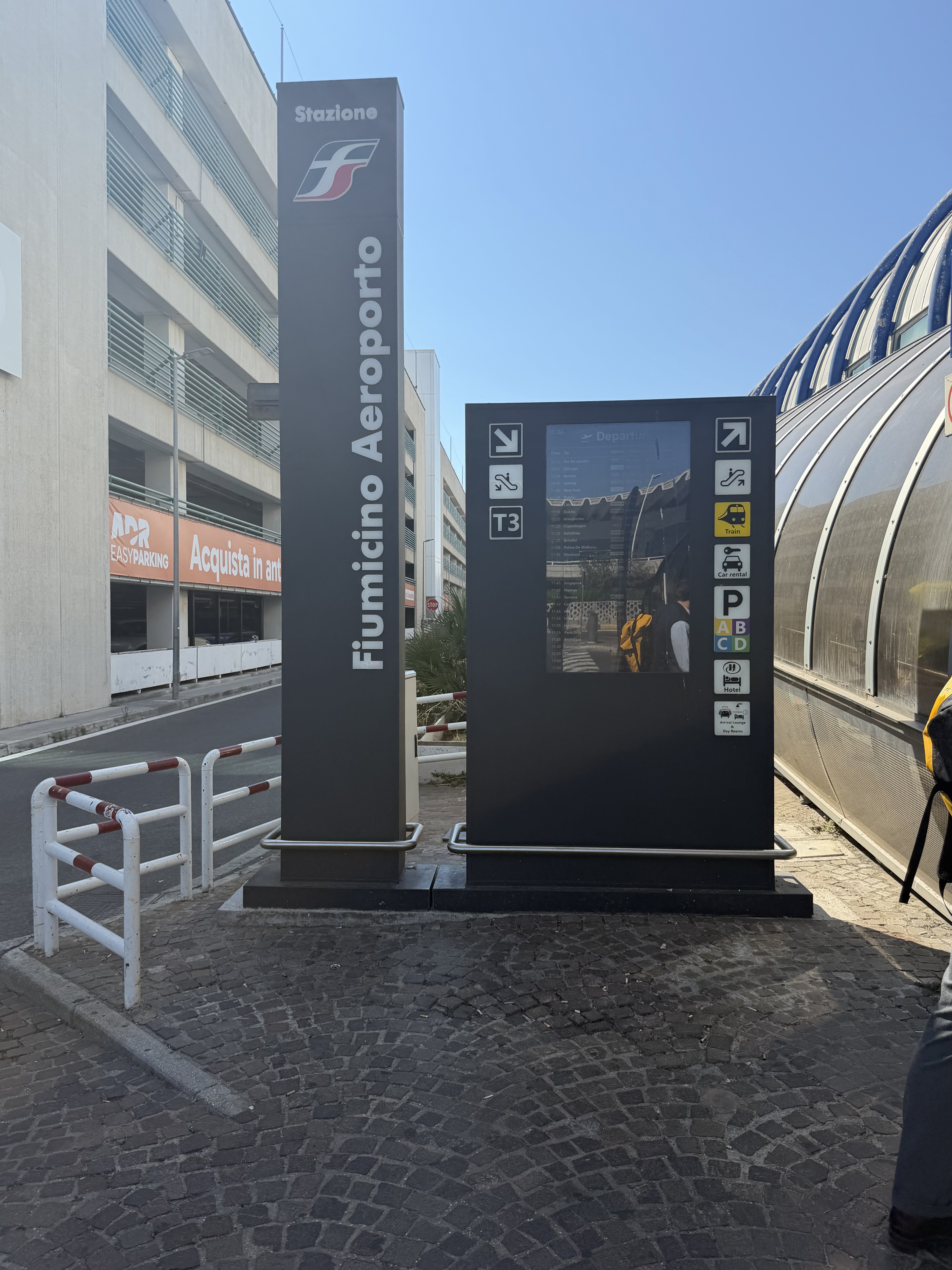
    The train station is conveniently located directly across the street from the Left Luggage facility, making it an easy next stop after dropping off your bags. 

    Once you reach the station, take the elevator upstairs to the train platforms. Before entering the train area, you’ll have the option to either purchase a traditional train ticket or use the contactless payment gates.

    From Fiumicino Airport, you’ll generally see two main train options:

    • Leonardo Express – This is the fastest and easiest option for most visitors. It’s a nonstop train that runs directly to Roma Termini Station in about 32 minutes, making it ideal if you’re heading into the city center for sightseeing.
    • FL1 Regional Train – This commuter train makes several stops before reaching Rome and does not go to Roma Termini.

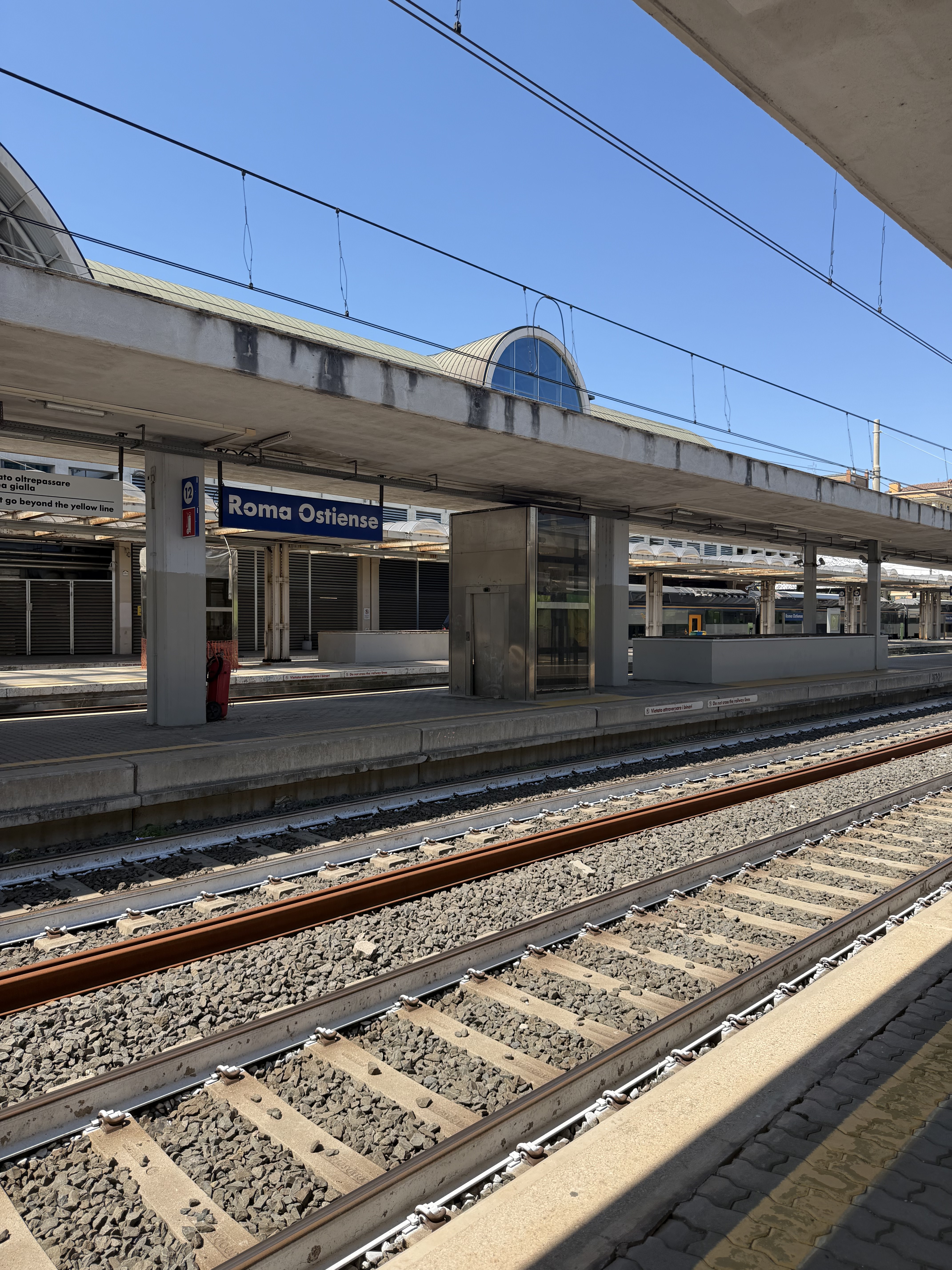
    One of the trains had green regional branding, while the other was the Leonardo Express. If you’re heading into Rome for sightseeing, make sure you look specifically for the Leonardo Express, which takes you directly to Roma Termini Station without additional stops. 

    Since my first stop was the Colosseum, the Leonardo Express to Roma Termini would have been the simplest option. From Roma Termini, you can take Metro Line B just two stops to Colosseo Station, where you’ll step out right in front of one of Rome’s most iconic landmarks.

    Don’t get turned around like I did lol

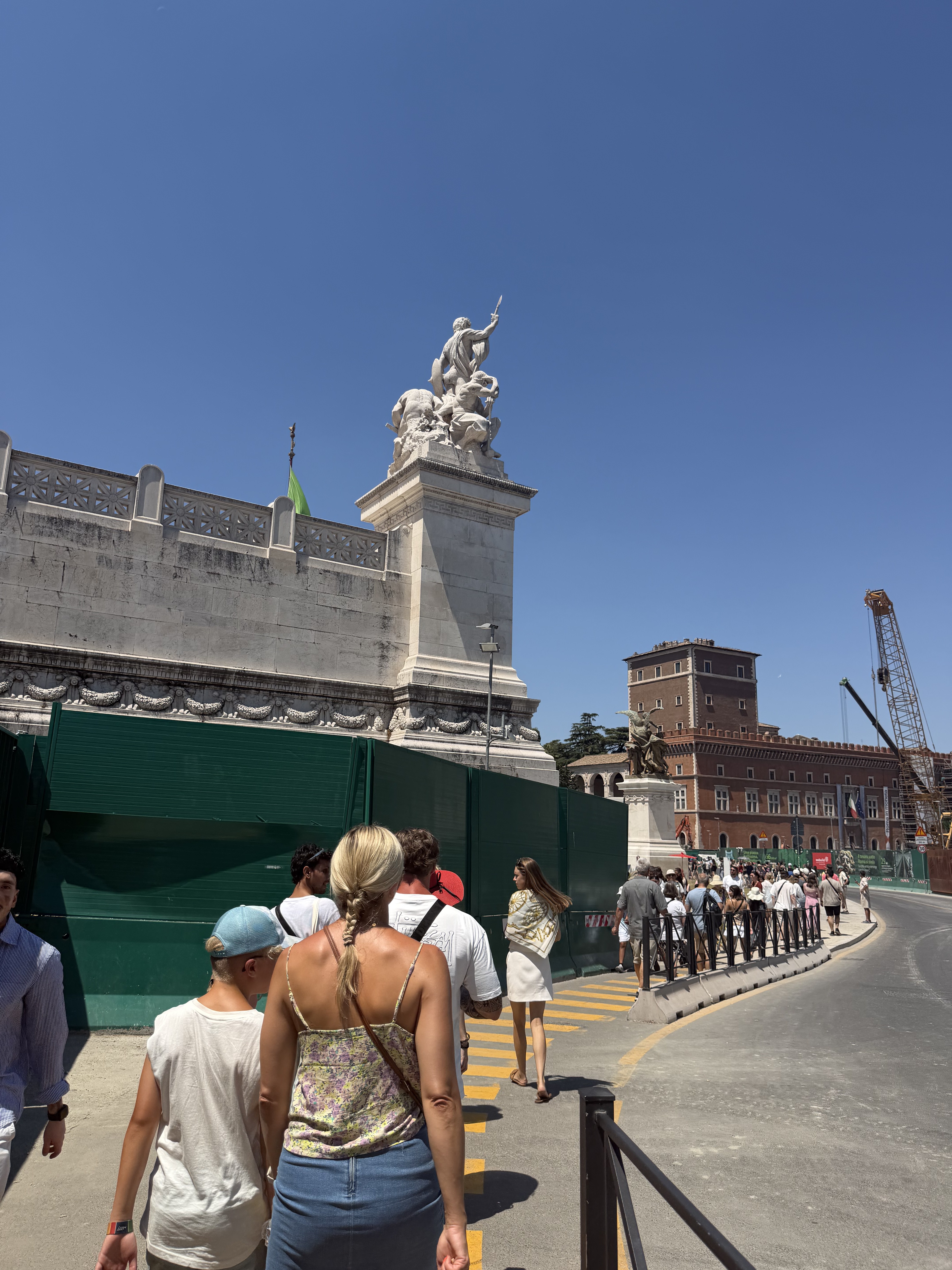
    Visit the Colosseum—Rome’s Most Iconic Landmark

    Even if you don’t have time for a full guided tour, seeing the Colosseum in person is worth the trip. Want to learn more about its fascinating past? Read my post on the history of three of Rome’s most iconic landmarks.

    Walk Through Rome to the Trevi Fountain

    One of my favorite parts of the afternoon wasn’t just the destination—it was the walk between landmarks.

    The stroll from the Colosseum to the Trevi Fountain takes you through charming streets, lively piazzas, cafés, and some of Rome’s most beautiful architecture.


    The walk was approximately 20 minutes. I used Google Maps to guide me, but honestly you could get there by following the crowd.

    Take a Taxi to the Vatican Museums

    If your schedule is tight, taking a taxi is the quickest way to maximize your afternoon.

    Plus taking a break from the heat in an air conditioned car is worth every cent if you’re traveling in the summer.

    The taxi ride from the Trevi Fountain to the Vatican Museums cost €12.40.

    Tip: Be aware of unofficial Vatican Museum Ticket Sellers

    How to Find a Taxi in Rome

    Finding a taxi in Rome is usually easier than trying to wave one down on the street. In many of the larger piazzas and popular tourist areas, you’ll find official taxi stands marked with a sign that says “Taxi” with a line of licensed taxis waiting nearby.

    Instead of searching for a taxi on your own, you can also use a taxi app called IT Taxi to request a ride directly from your phone. This can be especially helpful if you’re leaving a busy area, traveling with luggage, or want the convenience of arranging transportation without having to find the nearest taxi stand.

    When using taxis in Rome, look for official white taxis with a “TAXI” sign on the roof and a license number displayed on the vehicle. Avoid accepting rides from anyone approaching you and offering a taxi outside of official taxi areas.

    Tip: If you’re unsure where to find a taxi stand, ask a nearby hotel, café, or shop where the closest taxi area is. Most major squares and tourist attractions will have one nearby.

    Taking a Taxi Back to Rome Fiumicino Airport

    After visiting the Vatican Museums, I grabbed a taxi directly back to Fiumicino Airport.

    While trains are another great option, the taxi was the most convenient choice for my schedule.

    One thing I appreciated about taking a taxi back to FCO was the transparency of the pricing.

    Inside the taxi, the driver had a laminated sign displaying the flat rate fare to Rome Fiumicino Airport (FCO), which was €55.

    This made it easy to budget for the ride and avoid worrying about the meter changing with traffic.

    Planning Your Own Afternoon In Rome?

    I know how helpful it can be to have the details saved in one place when you’re navigating a new city, especially when you only have a few hours to explore. 

    I put together a free Rome Afternoon Itinerary Guide with the key details from this trip, including transportation options, estimated travel times, costs, and helpful tips for making the most of your time in the city.

    You can save it to reference while planning your own visit to Rome or keep it handy for the day you arrive.

    Get Your Free Rome Afternoon Itinerary 🇮🇹

      We respect your privacy. Unsubscribe at anytime.

      Is an Afternoon in Rome Worth It?

      Although you could spend weeks exploring Rome and still discover something new, even a single afternoon can give you a glimpse into what makes this city so special.

      From standing in the shadow of the Colosseum to wandering the streets between landmarks, every corner tells a story.

      My afternoon in Rome was a reminder that you don’t always need a lot of time to have a meaningful travel experience — sometimes a few hours are enough to leave a lasting memory.

    • 3 Iconic Rome Landmarks Explained: The Hidden History Behind the Trevi Fountain, Colosseum, and Vatican

      3 Iconic Rome Landmarks Explained: The Hidden History Behind the Trevi Fountain, Colosseum, and Vatican

      Rome has a way of revealing that history is not something locked away in books—it is something you can stand inside, walk through, and feel around you.

      Every corner seems to hold a reminder of the people who shaped this city: engineers who mastered water, architects who built for thousands, artists who transformed stone and paint into lasting stories.

      The Trevi Fountain, the Colosseum, and the Vatican each reveal a different part of Rome’s identity, showing a civilization that was brilliant, complex, and profoundly influential.

      Trevi Fountain History: Ancient Roman Engineering Behind Rome’s Most Famous Fountain

      One of the most fascinating things about the Trevi Fountain is that it marks the endpoint (or terminus) of the ancient Aqua Virgo aqueduct, which has carried fresh spring water into Rome since 19 BCE.

      Rather than relying on pumps, the Romans designed aqueducts with an incredibly gentle, carefully calculated slope so gravity alone kept the water flowing over many kilometres.

      The water came from naturally clean springs, with settling tanks allowing sand and sediment to sink before it reached the city.

      Contrary to what you might expect, the water wasn’t under enormous pressure—it flowed steadily because of the gradual downhill gradient. At the end of the aqueduct, instead of simply emerging from a pipe, the Romans created magnificent fountains like the Trevi, transforming an essential piece of infrastructure into a work of art.

      It’s a remarkable example of how ancient engineering combined practical function with extraordinary beauty.

      Today, visitors continue the centuries-old tradition of tossing a coin over their shoulder into the fountain, with one coin said to ensure a return to Rome.

      The millions of coins collected each year are donated to charity, making the Trevi Fountain not only a masterpiece of engineering and art but also a place that continues to make a positive impact today.

      Colosseum History: The Engineering and Stories Behind Ancient Rome’s Iconic Arena

      The Colosseum was far more than a giant arena—it was a carefully engineered symbol of Roman power, entertainment, and innovation.

      Built between 70 and 80 CE under the emperors of the Flavian dynasty, it could hold tens of thousands of spectators and was designed with a complex system of entrances, stairways, and corridors that allowed crowds to enter and leave efficiently.

      Beneath the arena floor was the hypogeum (a network of underground chambers and passageways) where gladiators, animals, and equipment were kept before being brought into view of the audience through a series of lifts and trapdoors.

      The Romans even designed a massive retractable canopy called the velarium to protect spectators from the sun.

      While the Colosseum is often remembered for the brutal contests that took place there, it also represents the remarkable engineering skills of ancient Rome and remains a powerful reminder of how architecture can reflect the values, ambitions, and contradictions of a civilization.

      Vatican City History: Art, Religion, and the Legacy of the World’s Smallest Country

      Despite being the smallest country in the world, the Vatican holds an extraordinary amount of history, art, and influence.

      Within its walls are the Vatican Museums, a vast collection built up over centuries by generations of popes who preserved and collected some of the world’s greatest works of art.

      Walking through the museums is like moving through a timeline of human creativity, from ancient Roman sculptures and Egyptian treasures to Renaissance masterpieces. Hidden within this collection is the Sistine Chapel, where Michelangelo transformed a simple ceiling into one of the most celebrated works of art in history.

      Nearby stands St. Peter’s Basilica, built over what is believed to be the tomb of Saint Peter, making it one of the most important sites in Christianity.

      The Vatican is not just a place of religion—it is a living archive of art, history, architecture, and human achievement, where centuries of stories are preserved within a few city blocks.

      Why Rome’s Landmarks Still Matter Today

      Perhaps that is the true magic of Rome: every stone carries a story.

      Beneath the fountains, within the walls of its arenas, and throughout its sacred spaces are the ideas, dreams, triumphs, and struggles of the people who came before us.

      Rome reminds us that civilizations may rise and fall, but the things humans create, question, and leave behind can continue to speak across thousands of years.

    • What I Always Pack for Italy (After Learning the Hard Way)

      What I Always Pack for Italy (After Learning the Hard Way)

      Every time I travel to Italy, my packing list gets a little more intentional. Probably because I’m tired of dragging around a 6947484lb suitcase. Over the years, I’ve learned that it’s not about bringing more—it’s about bringing the right things that actually make the trip smoother, more comfortable, and more enjoyable.

      These are the essentials I’ve ended up relying on the most.

      1. Travel Medicine Essentials

      One thing I never leave home without is a small pouch of medications. While I hope I never need them, I’ve learned that it’s always better to be prepared when I’m far from home.

      I usually pack my preferred fever and cold medicine, along with pain relievers, allergy medication, and vitamin C. Between crowded airports, long flights, and being surrounded by travelers, it’s easy to pick up something along the way. 

      A few years ago, I landed in Paris and almost immediately came down with a fever. Thank gosh I had brought my medicine bag, because I barely had the energy to leave my hotel, much less go to a pharmacy and decipher medicine labels in French.

      Even though Italy has pharmacies, I’ve found it’s not always convenient to find exactly what I’m used to—especially if I’m in a smaller town or not feeling well. Having my go-to basics on hand makes everything easier and lets me get back to enjoying the trip sooner.

      2. A Refillable Water Bottle

      Screenshot

      A refillable water bottle is something I always bring. I fill it before boarding my flight because it’s much cheaper than buying bottled water at the airport, and it’s nice to have on the plane when you want easy access to water without waiting for service.

      Once I’m in Italy, it becomes even more useful since many cities have public fountains where you can refill throughout the day. It’s an easy way to stay hydrated, save money, and avoid constantly buying plastic bottles.

      3. Your Preferred Feminine Products

      If you rely on specific feminine hygiene products, I definitely recommend packing enough for your trip or bringing your preferred brand from home.

      While you can find feminine products in Italy, I’ve personally found the selection to be more limited compared to what I’m used to, especially outside of larger cities like Milan. It’s one of those things that’s easier to plan ahead for so you don’t have to think about it once you arrive.

      Having your usual products on hand makes the trip much more comfortable and stress-free, especially when you’re on the go.

      4. Outlet Converters (Bring More Than One)

      Outlet converters are an absolute must— and I usually bring more than one.

      With a phone, camera, portable charger, and my curling iron, I need multiple charging options at once. Having extra adapters means I can charge everything at the same time without constantly swapping plugs. I personally think it’s very important to be able to charge your phone and curl your hair at the same time lol

      It’s a small thing that makes mornings in a hotel room way less stressful and more time efficient.

      5. An Eye Mask

      An eye mask is one of those small items that makes a big difference. Sometimes hotel curtains don’t fully close, and when the sun starts coming in early, it can make it hard to stay asleep.

      If I’m not quite ready to wake up, an eye mask comes in clutch. It’s also great for flights and travel days when you need rest wherever you can get it.

      Bonus points if it’s silky— Like this one. it feels better on your skin and is gentler overall.

      And if you don’t have one, I’ve even used pants hangers clipped onto curtains in a pinch. Not perfect, but it works.

      6. A Small Notebook

      Screenshot

      A small notebook has become one of my favorite travel essentials. I use it to write down what I ate, where I ate, places I visited, and small details I don’t want to forget later.

      I also love jotting down new Italian words or phrases I hear along the way. It makes the trip feel more interactive and helps me actually remember what I’m learning instead of letting it slip away.

      Especially if you’re like me and don’t want to rely on the notesapp on your phone, having something physical to write in just feels more intentional and easier to come back to later.

      7. A Small Foldable Tote Bag

      A foldable tote bag is something I always pack because it’s surprisingly useful. It fits easily into my luggage and gives me extra space when I need it, especially when I’m out shopping or picking up souvenirs.

      It’s different from a purse in that it actually holds those unexpected extras. Sometimes shops give you paper bags, and then suddenly you’re walking around and there’s a torrential downpour and you’re trying to save your wine bottles from smashing into the pavement. Ask me how I know lol.

      Having a lightweight tote on hand means I’m always prepared for those unexpected moments while traveling.

      Final Thoughts

      Over time, I’ve realized that the best travel essentials aren’t just about being practical—they’re about making the trip easier so you can actually enjoy where you are. These are the things I always end up reaching for when I’m in Italy, and they’ve made my trips smoother, more comfortable, and a lot less stressful.

      At the end of the day, the goal isn’t to pack everything—it’s to pack what lets you focus less on what you forgot and more on the experience in front of you.

      I’m always looking for ways to refine my packing. I’d love to know- what are your travel essentials when you go to Italy or abroad?